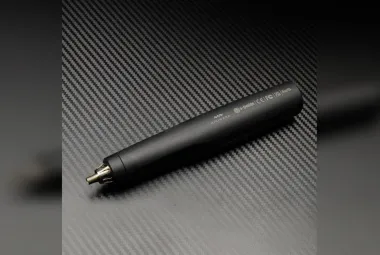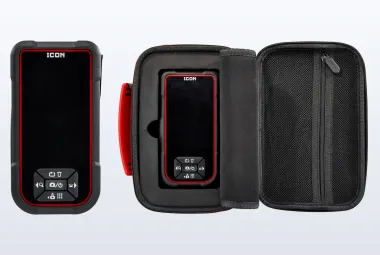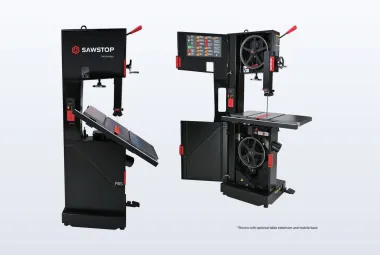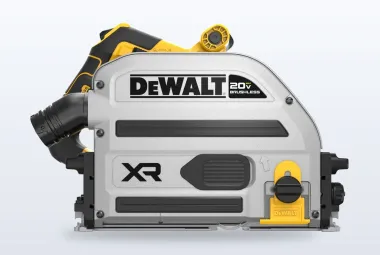
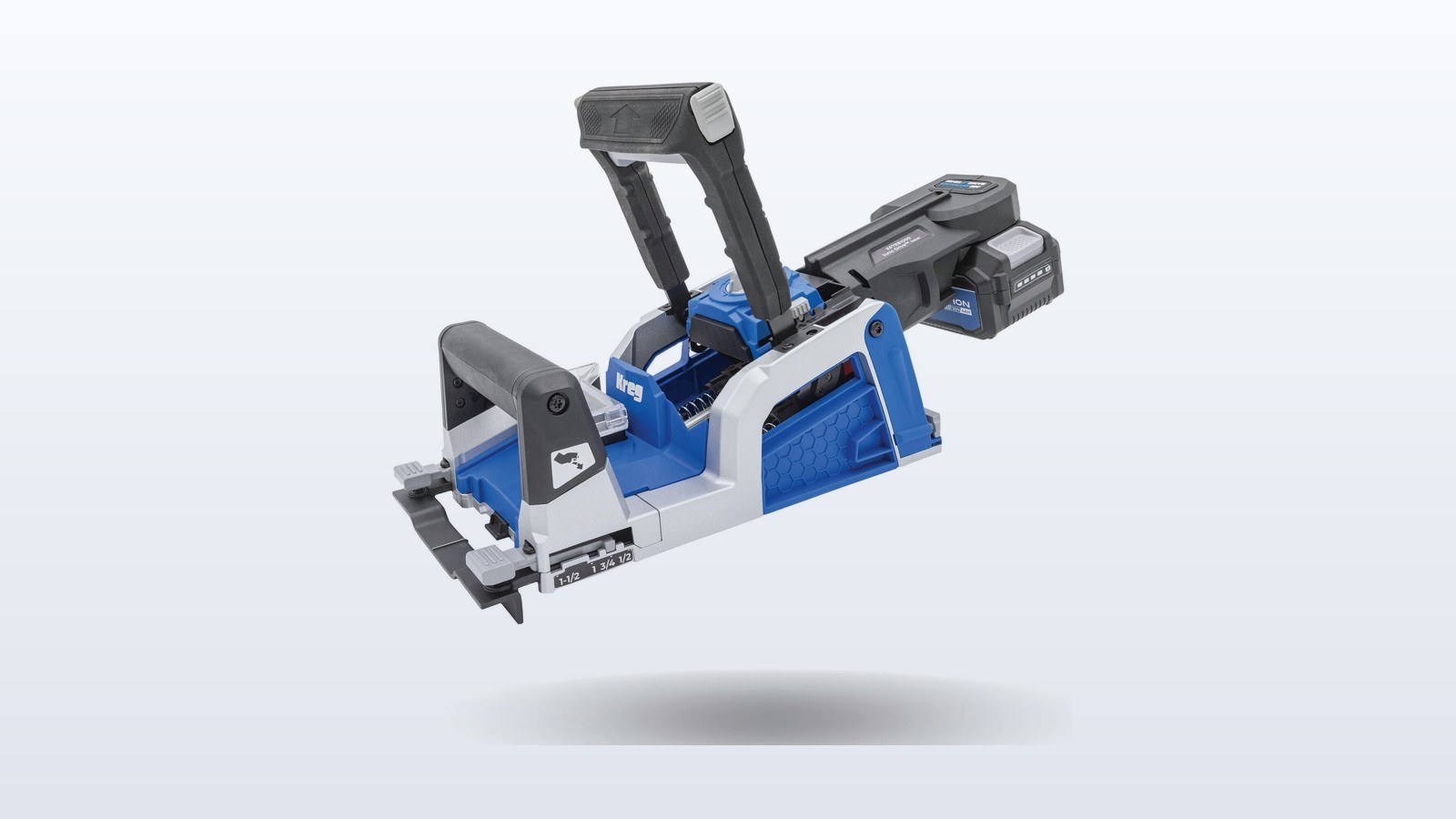
Kreg put the Rebel pocket-hole joiner on sale on October 1, 2025, as part of a new cordless platform, and the same day its post on X called the line "NOW AVAILABLE." Kreg's own news text didn't print a price. Acme Tools posted a same-day retail listing: $299.00 for the tool-only Rebel (KPTRB100A) and $349.00 for the kit (KPTBRB100A). Those are Acme's numbers, not Kreg's. TMWB hasn't used the tool.
The Rebel arrived with a wider launch: Ionic Drive cordless tools, Blue Ion 20-volt batteries, doweling, and SureCut blades. I'm staying with the joiner.
How does a pocket hole pull two boards together?
A pocket-hole joint starts with a stepped drill bit that has two diameters. The wide section bores a slanted pocket in the first board, and the narrow section drills a pilot hole out through the edge. A pocket screw sits in the pocket with its head in the wide part, and the threads run through the pilot into the second board. Because the hole is angled, tightening the screw pulls the boards together. On a lot of cabinet work, that screw is the joint.
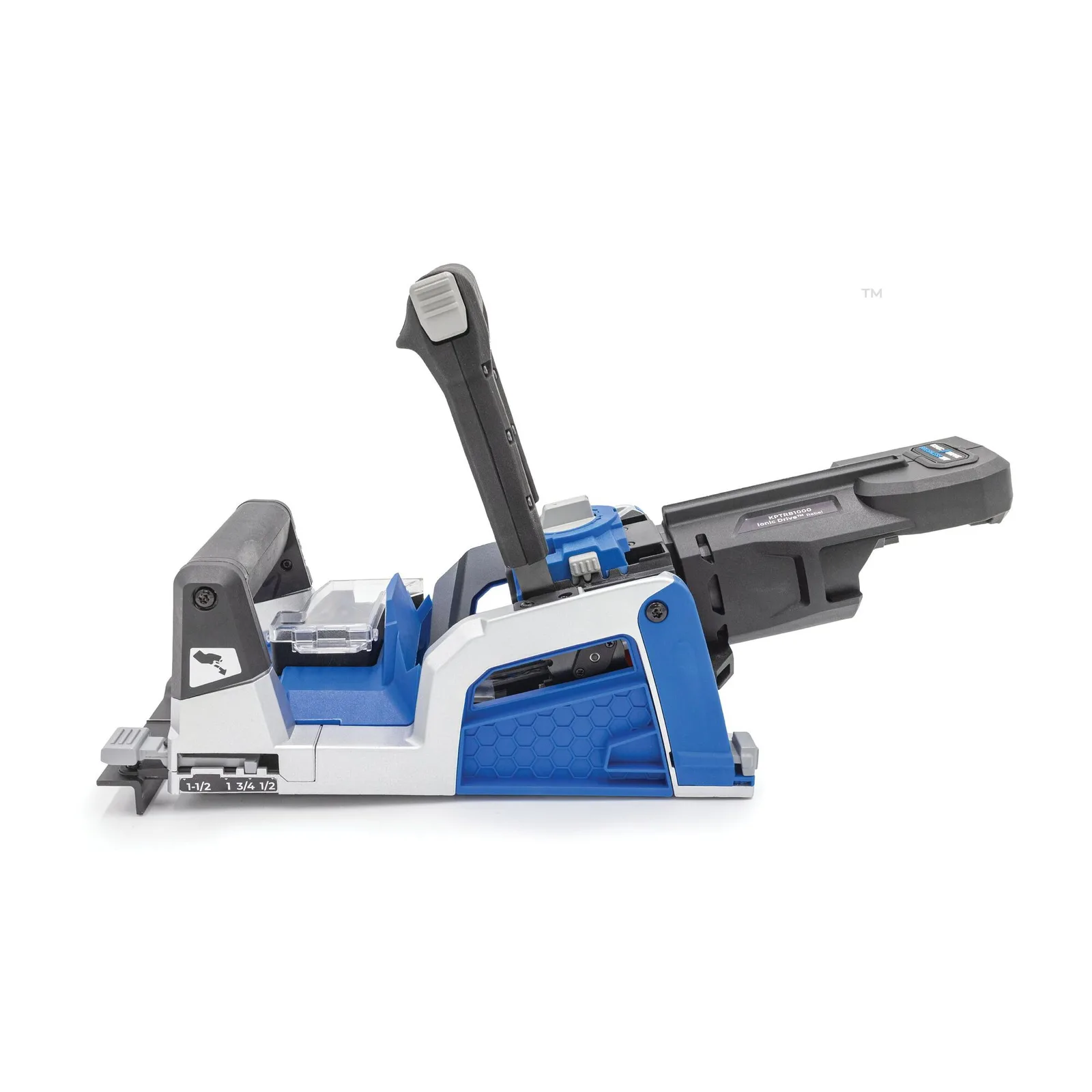
The old routine is two separate objects: you clamp a jig to the board so it can't creep, chuck a stepped bit in a drill, and drill through the jig's bushing. If the clamp shifted between holes, the exits don't line up and the joint shows it. The Rebel builds the drill into the jig as one cordless tool. Kreg doesn't state the drilling angle.
What settings does the Rebel handle?
- Depth: how far the stepped bit travels. Too deep and the bit or screw can break out the face you wanted clean, while too shallow leaves the threads barely in the second board. Kreg lists it as tool-free.
- Fence: sets the distance from the board's edge to the hole, which places where the screw exits. Also tool-free.
- Narrow rail guide: in a face frame the rails are the horizontal pieces, often narrow, and the guide registers on narrow stock so the jig doesn't rock off the edge. No minimum width is given.
- GripMaxx base: the name says it's meant to hold still, but the materials don't describe the surface.
- Integrated dust collection: a stepped bit makes a lot of chips for a small hole. Hose size isn't given.
The thickness range is 1/2 to 1-1/2 inches, which covers drawer parts at the thin end, 3/4 inch cabinet and face-frame stock in the middle, and thick rails at the top. A thick leg blank or a chair that gets leaned on often wants a joint shaped for racking, such as a loose tenon (a separate wood piece glued into matching slots in both parts).
What about the battery?
The Rebel runs on Blue Ion 20-volt packs, and the Ionic Drive line is new, so there's no older Kreg fleet to share batteries with. Amp-hours and the charger model aren't printed, and the kit contents aren't itemized, so I can't say what the $50 gap at Acme buys. Plan on a battery being separate if you buy the bare tool until a listing says otherwise.
What is the Ionic Drive platform?
The Rebel arrived as part of a wider launch. Kreg described a new cordless line it calls Ionic Drive, powered by Blue Ion 20-volt batteries, alongside doweling and SureCut blades. A battery platform is a family of tools that all share the same packs, so buying into one means the next tool in the line only needs a bare-tool purchase. Doweling is a different joint from a pocket hole: a round wooden pin is glued into matching holes drilled in both parts. SureCut is Kreg's name for the blades named in the release. Because the Ionic Drive line is new on this date, there's no older fleet of Kreg 20-volt tools to share batteries with. The pack's amp-hour capacity and the charger model aren't printed, so a first Rebel is also a first pack and a first charger unless a kit listing says otherwise, and Kreg's news text doesn't.
Where can you buy it, and what does it cost?
Kreg, based in Ankeny, Iowa, carried the announcement on its news page, and the tools appear in its joining-systems shop. The same day, Kreg's post on X called the line "NOW AVAILABLE." Kreg's own news text didn't print a price. Acme Tools posted a retailer listing that day: the tool-only Rebel at $299.00 (item KPTRB100A) and the kit at $349.00 (item KPTBRB100A). Those are a retailer's figures, and another dealer could have posted something different that morning. Because the kit contents aren't itemized, the $50.00 gap isn't assigned to a battery, screws, or anything else, and the news text doesn't say the bare tool includes a pack.
What does the launch leave out?
The drilling angle isn't printed. Neither are drill speed in revolutions per minute, weight, length, warranty, battery capacity, or charger details. Hose size for the dust collection, the minimum rail width for the narrow guide, and the material behind the GripMaxx base name are also unnamed. Kreg lists the features, but the measurements behind them aren't in the announcement.
What does the competition look like?
Pocket-hole jigs have long been a manual product, with a guide that clamps to a board and a separate drill. The Rebel's pitch is that the drill and jig are one cordless tool, and Kreg doesn't compare it with a named competitor in the news text. The comparison it does support is with its own older routine of a jig, a clamp, and a drill the user already owned.
Who is it for?
A cabinet or furniture shop that already pocket-screws face frames, carcasses, and stretchers and wants the jig and drill in one cordless tool. It's a weaker fit if a separate jig and drill already work for you, or if you need the pack to run tools outside the new line.
Not given: Kreg's own price, drill speed, weight, length, warranty, battery capacity, and charger details.
Sources and image credits
- Kreg news, October 1, 2025
- Kreg joining systems
- Acme Tools retailer listing, October 1, 2025
- Product images: Kreg