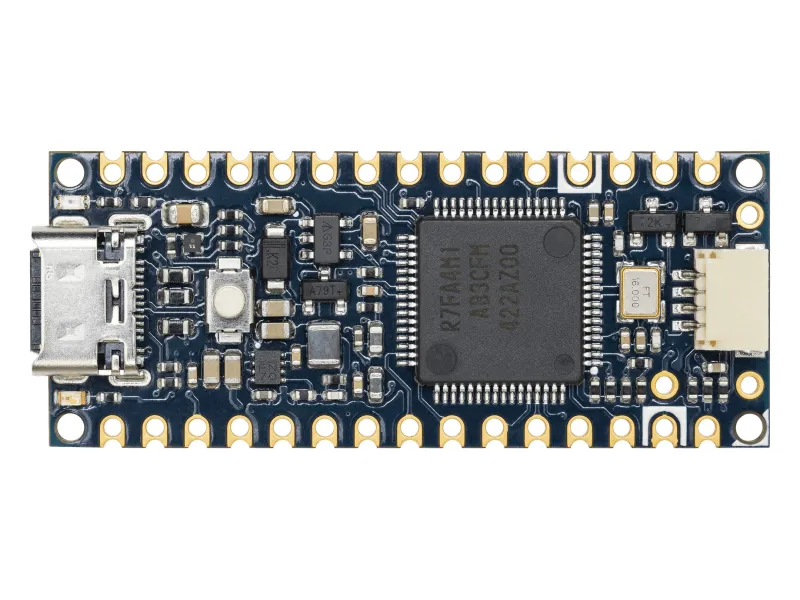
What Arduino actually is, why it took over as the default platform for learning electronics, and a first look at the five boards you'll see most in this series, from the classic Uno to the Leonardo.
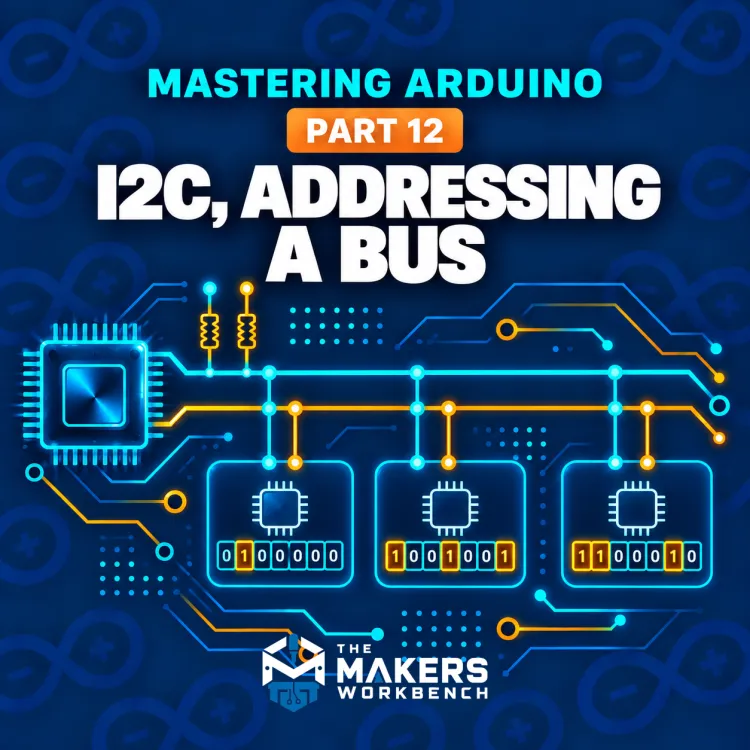
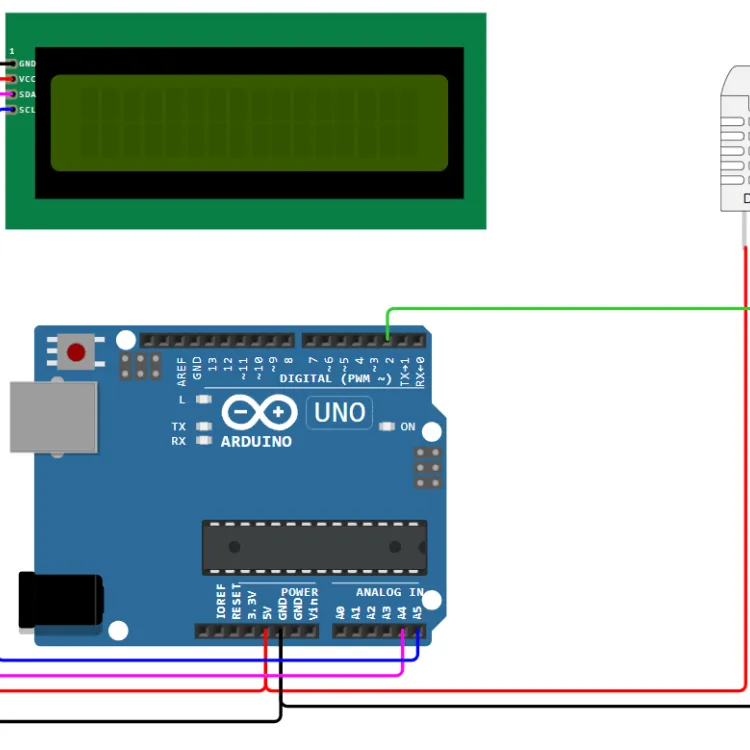
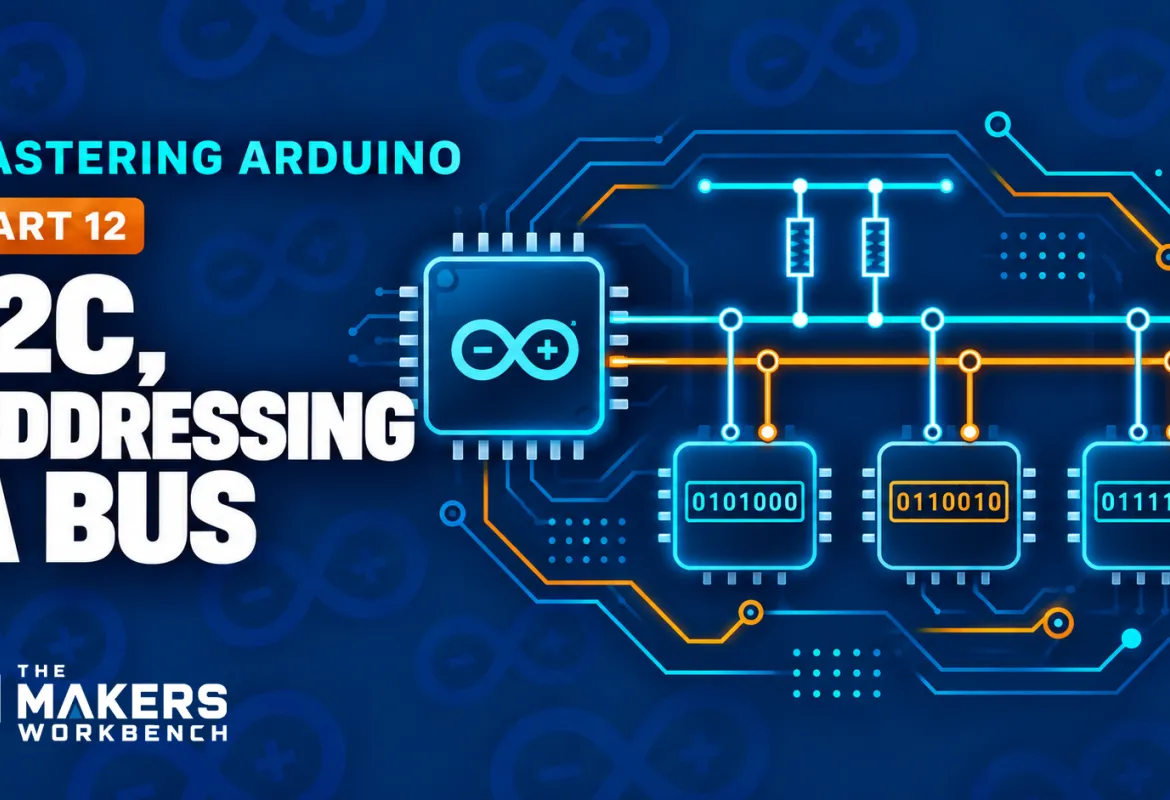
Learn how I2C shares two wires among many devices: open-drain lines and pull-ups, 7-bit addresses, the Wire library, scanning for devices, and putting two on one bus.
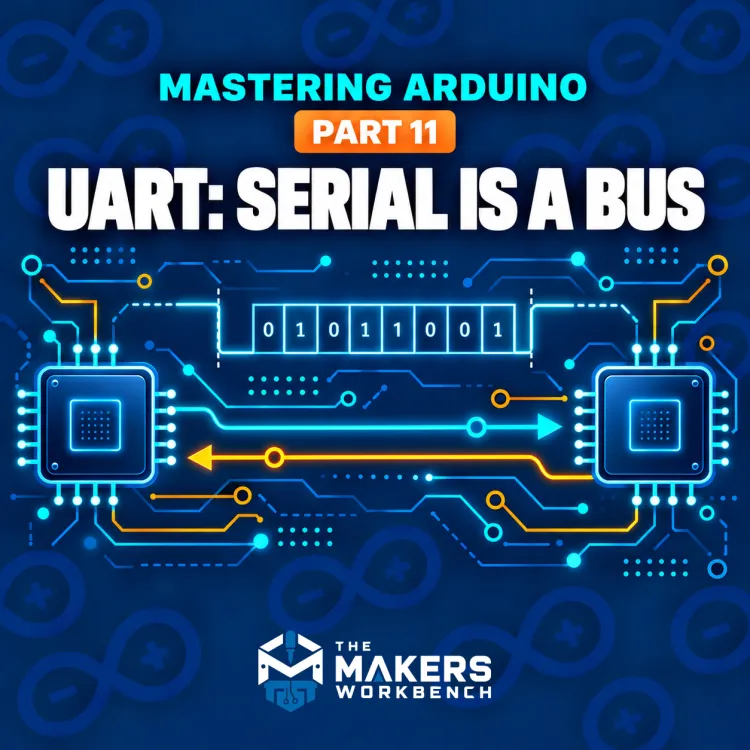
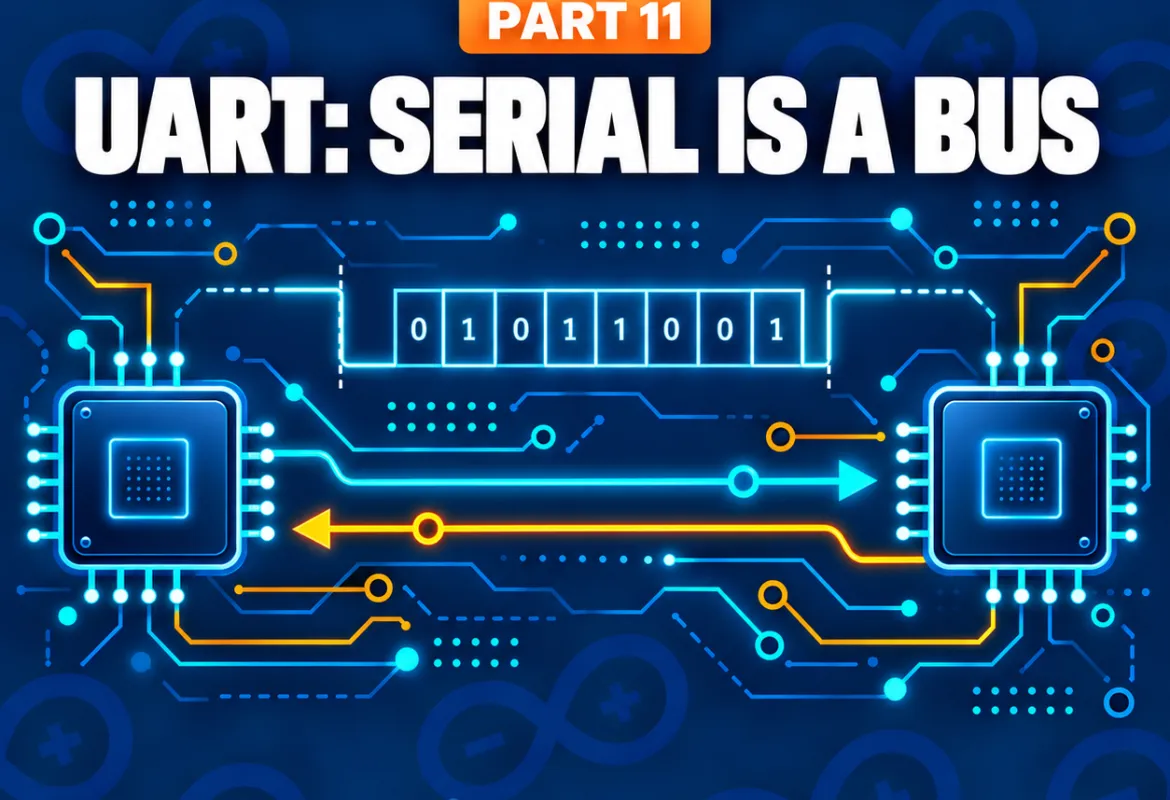
Learn what Arduino Serial really is: UART framing, baud rates, hardware vs software serial, and how to link two Arduinos with a two-board command project.
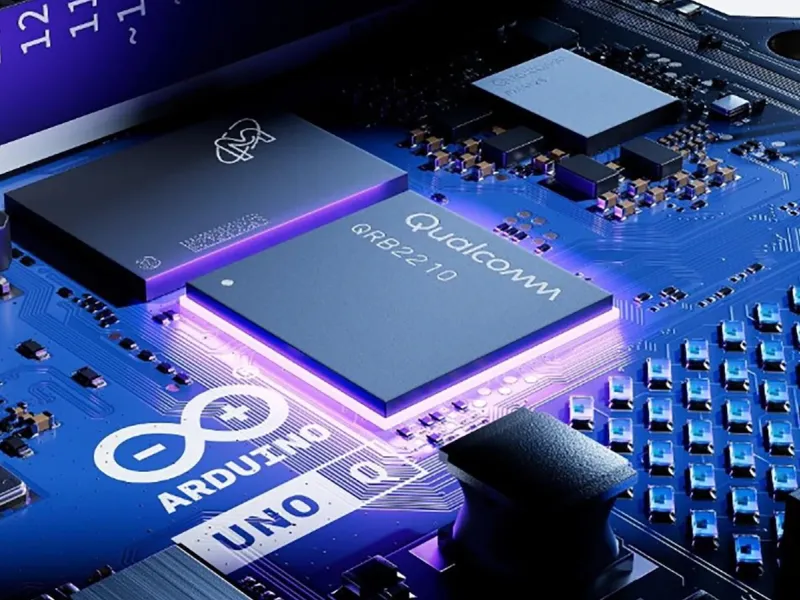
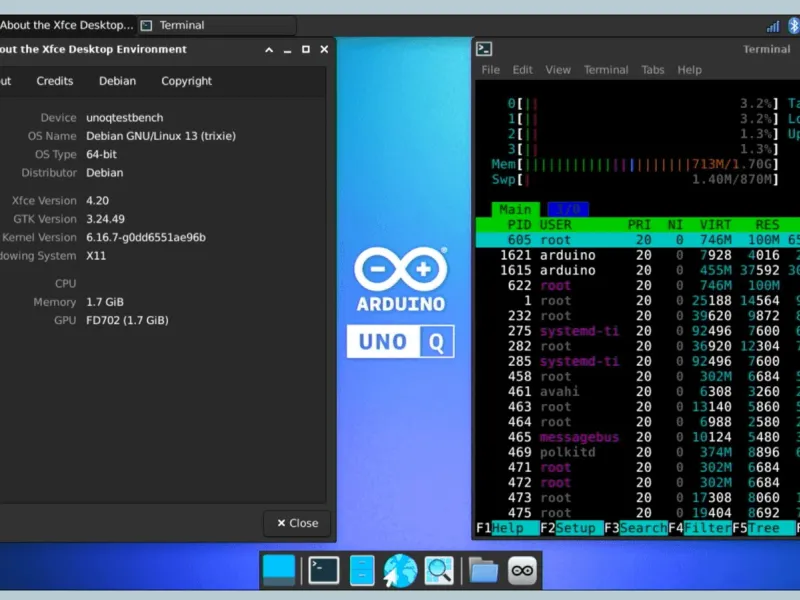
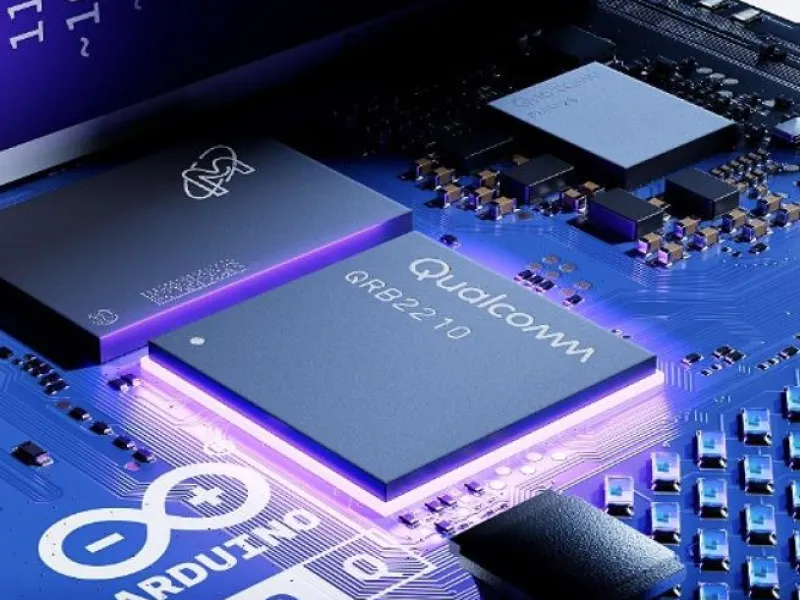
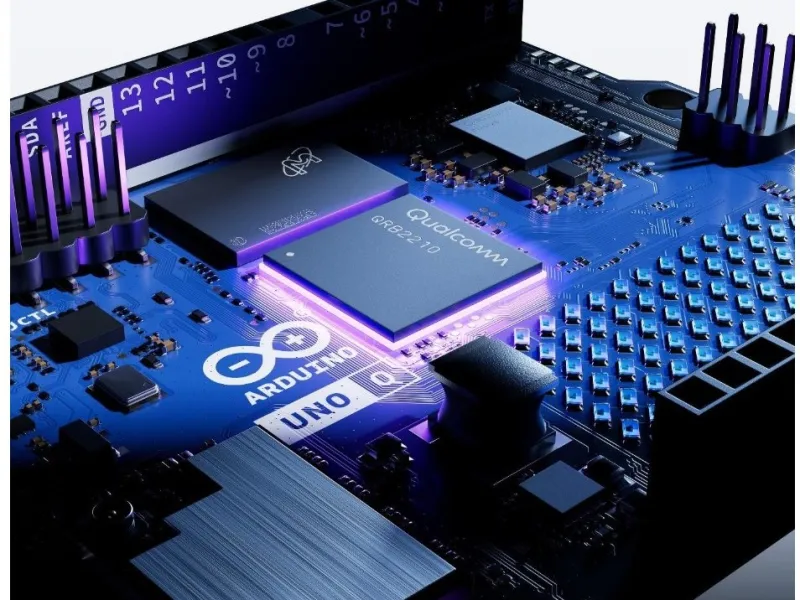
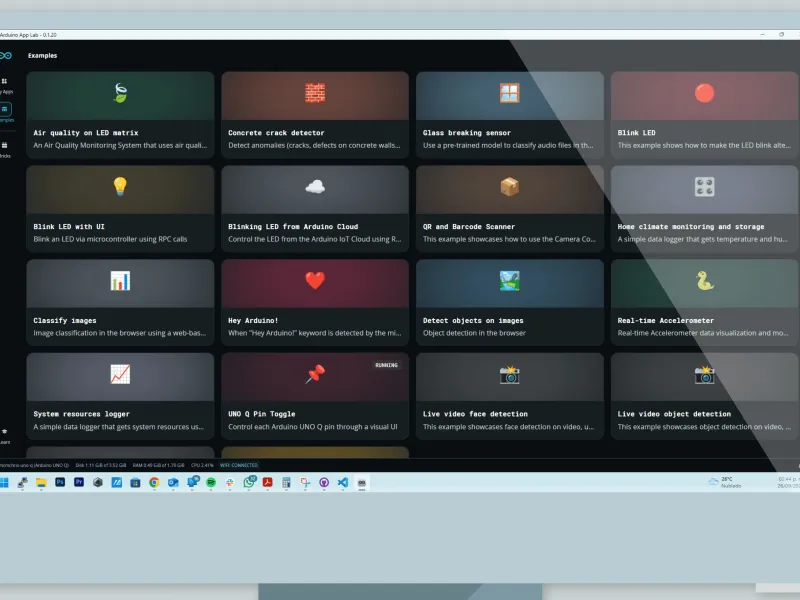
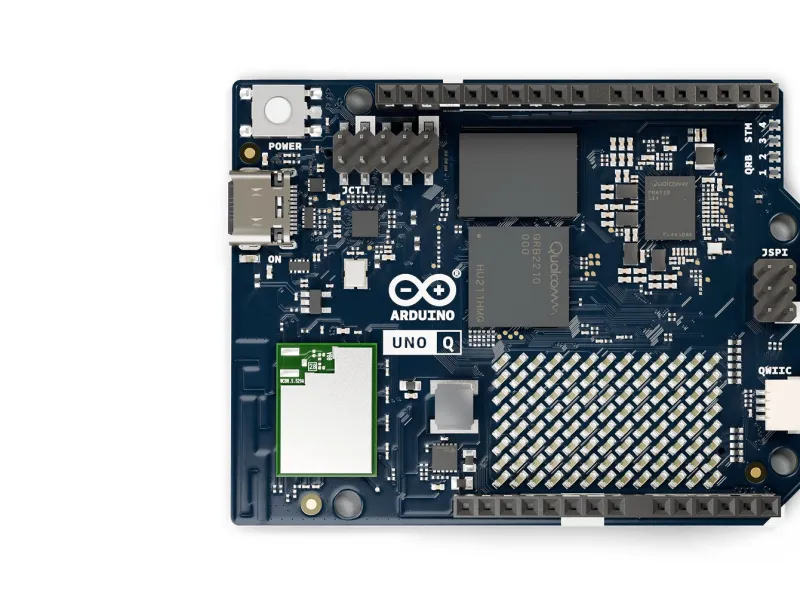
Arduino's first-anniversary post for the UNO Q reports more than 270,000 boards shipped, new software and hardware, and a community that has grown across contests, projects, and library downloads.
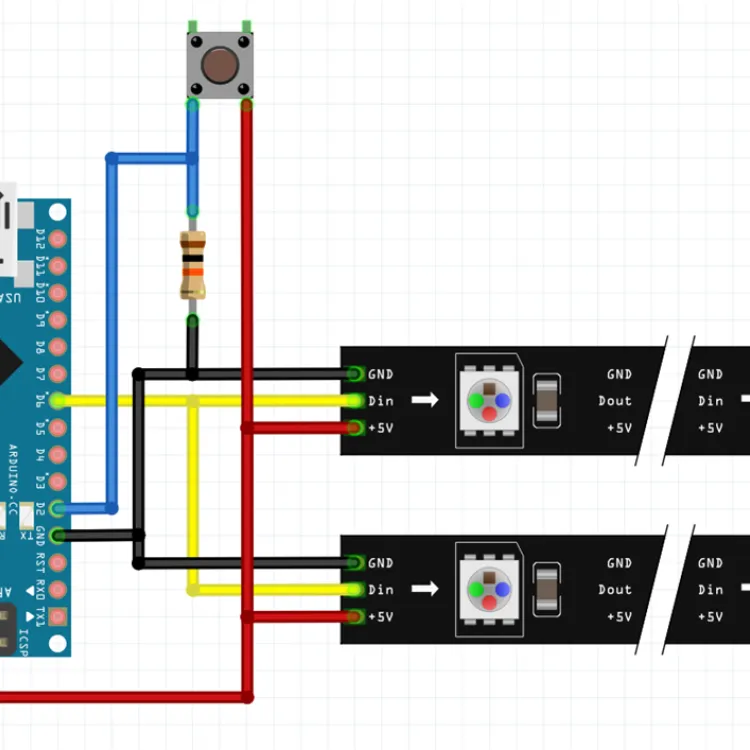
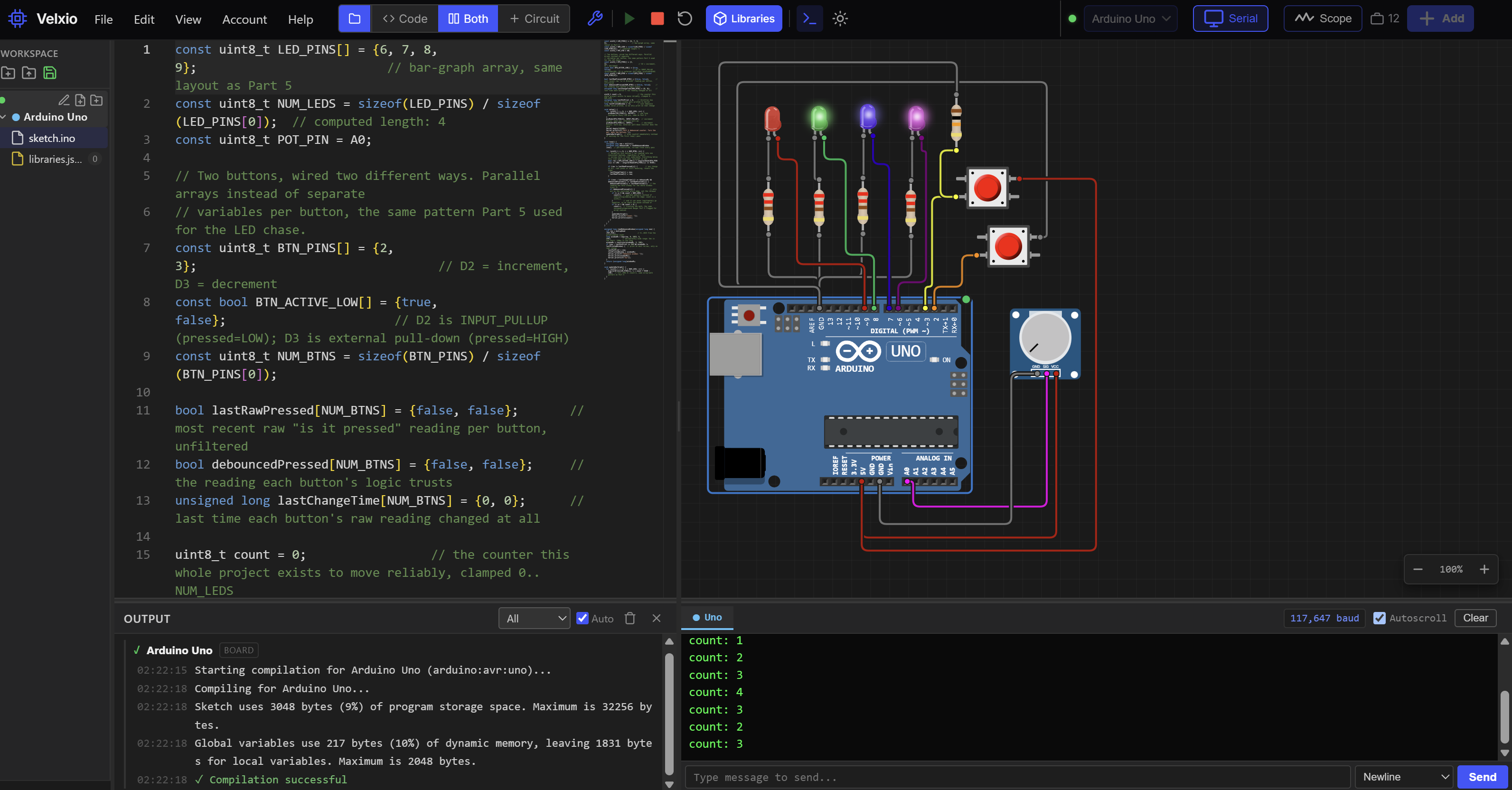
Part 6 of the Arduino Mastery Series: why a mechanical button chatters, how pull-up and pull-down resistors work, and a tunable two-button counter project that debounces both the hard way and the easy way, for real this time.
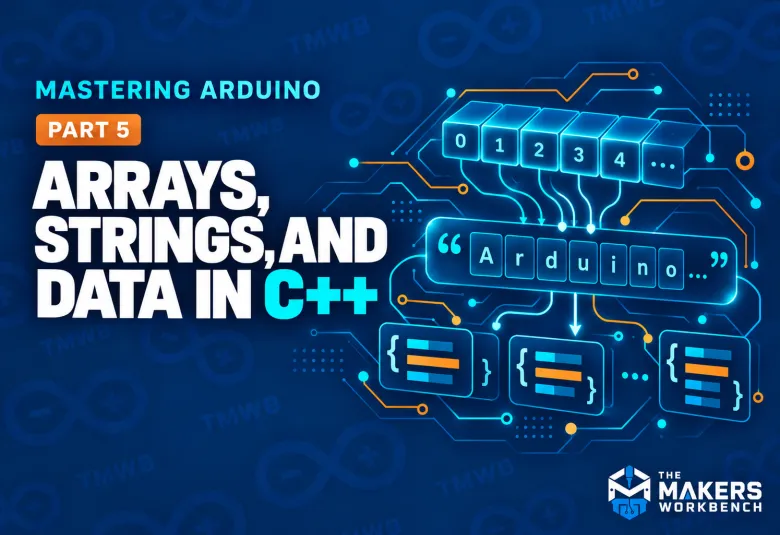
Part 5 of the Arduino Mastery Series: how arrays store more than one value under a single name, how a C-string differs from Arduino's String class, and a serial-controlled LED chase project that puts real data types to work.
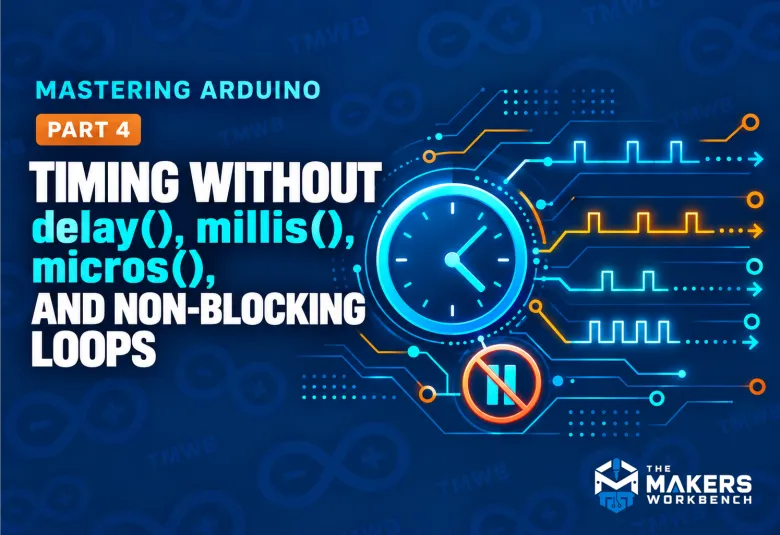
Part 4 of the Arduino Mastery Series: why delay() freezes your whole sketch, how millis() and micros() track time without blocking, and a non-blocking control panel project that blinks, dims, and times a button press all at once.
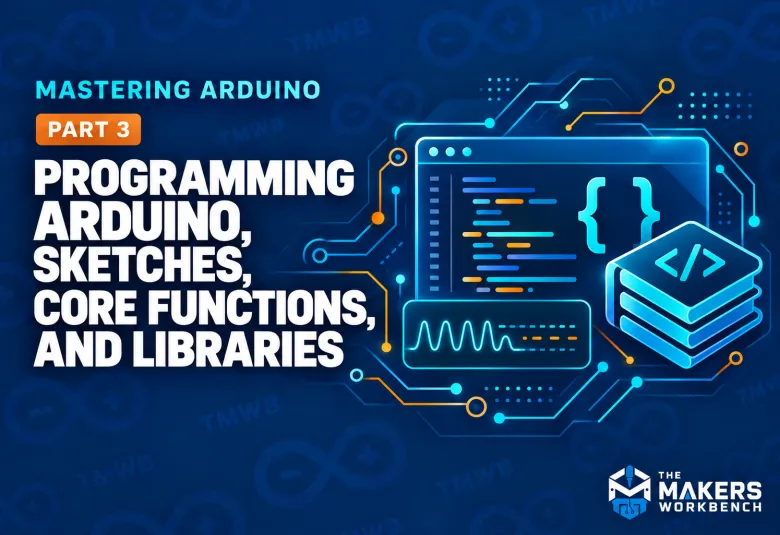
How a sketch actually runs, the core Arduino functions, Serial as a debug tool, installing libraries, and SRAM awareness: the vocabulary the rest of the series assumes you have.
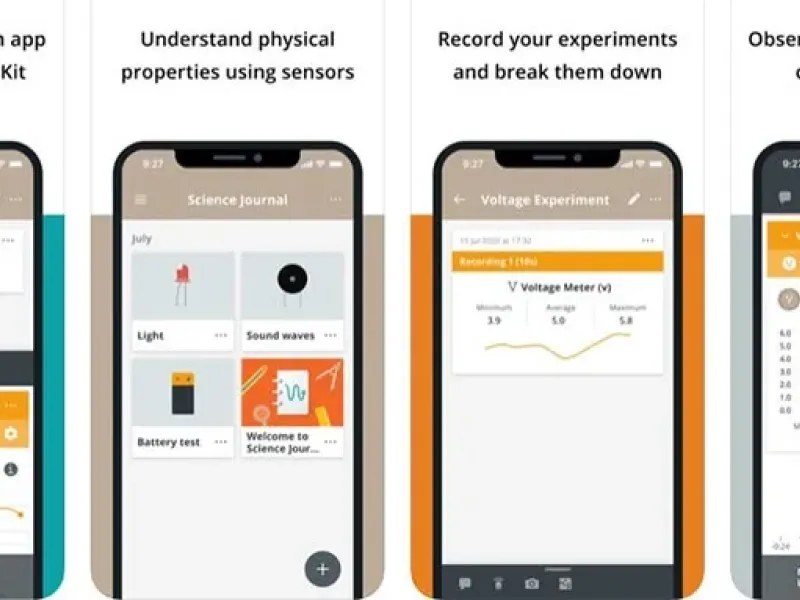
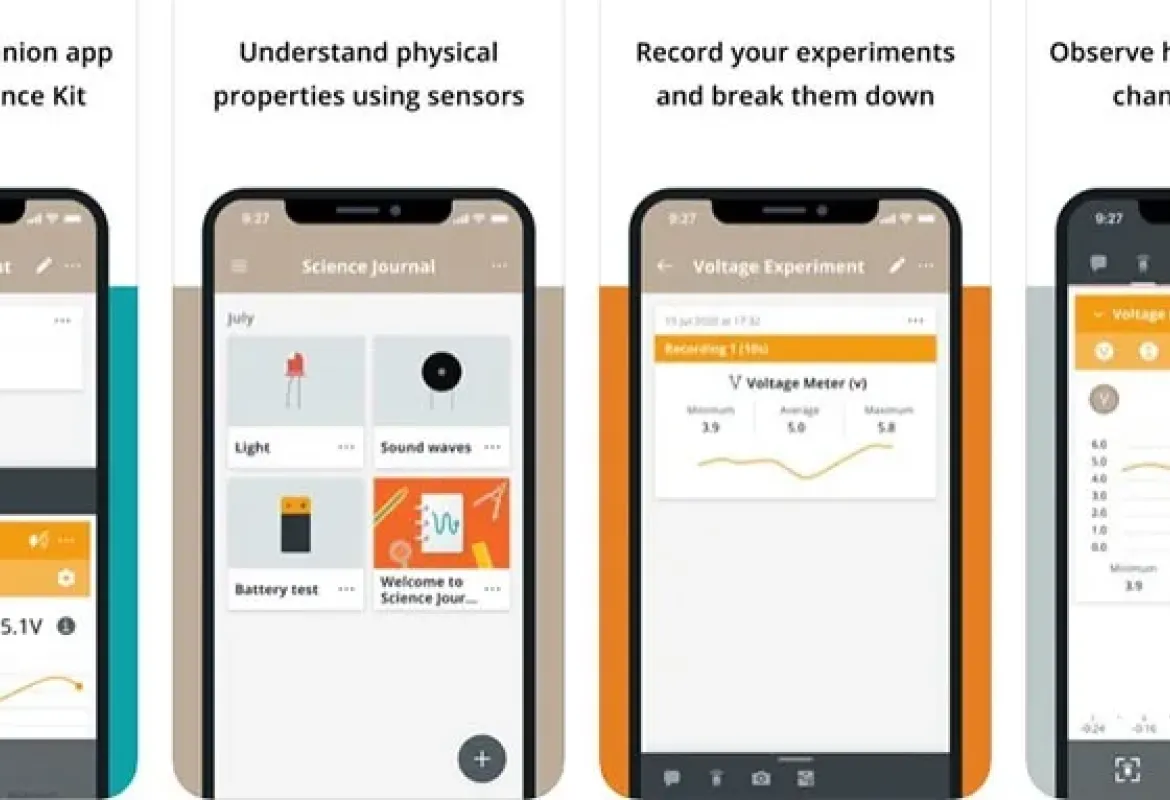
What Arduino Science Journal is, how it uses phone sensors and Bluetooth Arduino boards, how it differs from Arduino IDE 2 and IoT Remote, and experiments you can run without writing a sketch first.