DIY Electronics

A voltmeter dial above three symbol panels for circuit common, chassis ground and protective earth, beside the title How Electronics Work, Part 10, How Electrical Ground Works
How Electrical Ground Works: Mastering Fundamental Electronics Part 10
Learn how electrical ground works: circuit reference, signal ground, chassis, protective earth, ground faults and ground loops, and why ground is not always zero volts.

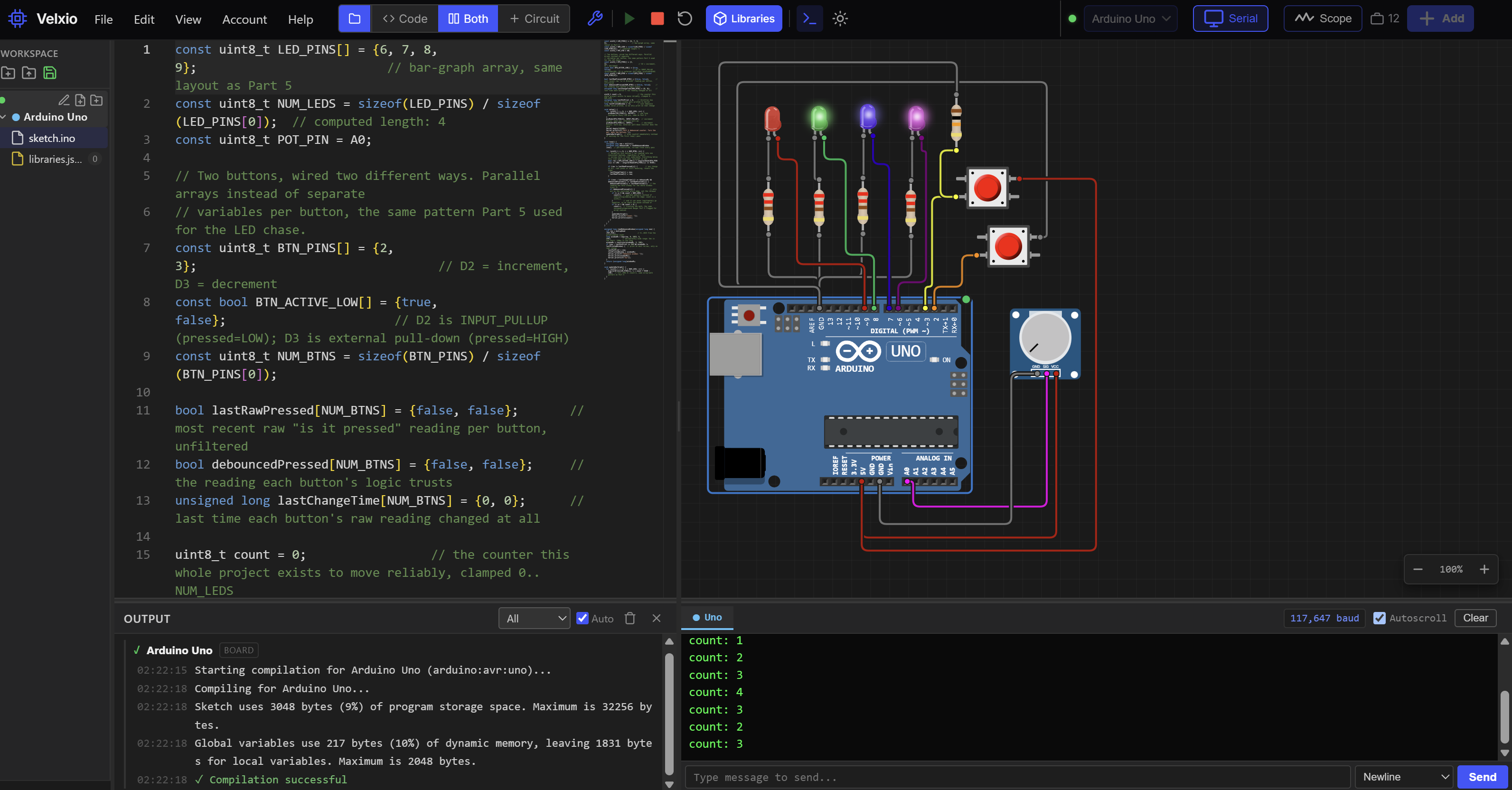
An Arduino Uno reading an I2C OLED and sensor board, with a serial monitor listing the device addresses it found, beside the title Arduino I2C Scanner
Finding I2C Device Addresses: The Arduino I2C Scanner Guide
Find I2C device addresses with an Arduino scanner sketch: wire it, read the results, tell 7-bit from 8-bit addresses, and troubleshoot an empty scan or an address conflict.
A kilowatt-hour meter, a stopwatch and a battery linked by glowing wires, beside the title How Electronics Work, Part 9, How Electrical Energy Works
How Electrical Energy Works: Mastering Fundamental Electronics Part 09
Learn how electrical energy works: joules, watt-hours, kilowatt-hours, amp-hours versus energy, and why not every stored watt-hour reaches your load.

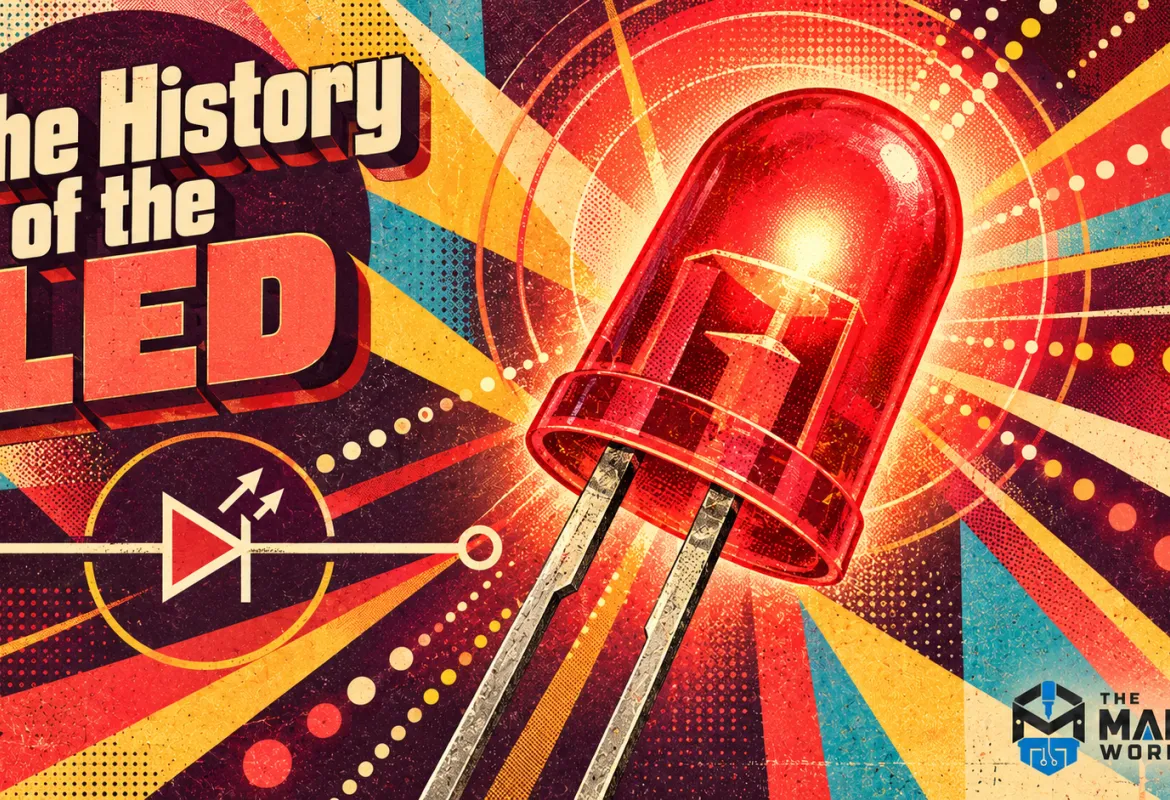
The History of the LED

Submitted by Charles Gantt on October 22, 2026

How a glowing crystal in 1907 became the red indicator LED, then bright colors, efficient blue and the white bulbs that light a room.
DIY Electronics
standard

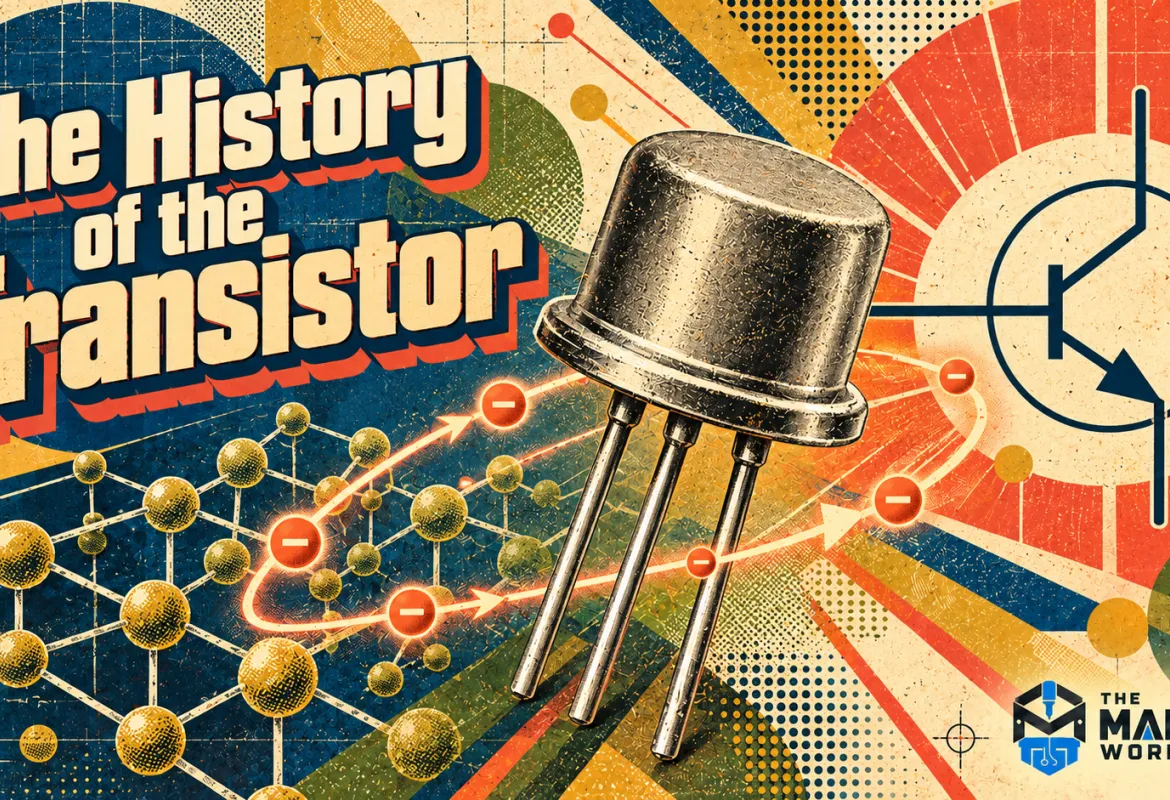
The History of the Transistor

Submitted by Charles Gantt on October 22, 2026

From Lilienfeld's 1926 patent to point-contact germanium, junction transistors and Hoerni's planar process, how the transistor became the switch beneath modern electronics.
DIY Electronics
standard