DIY Electronics

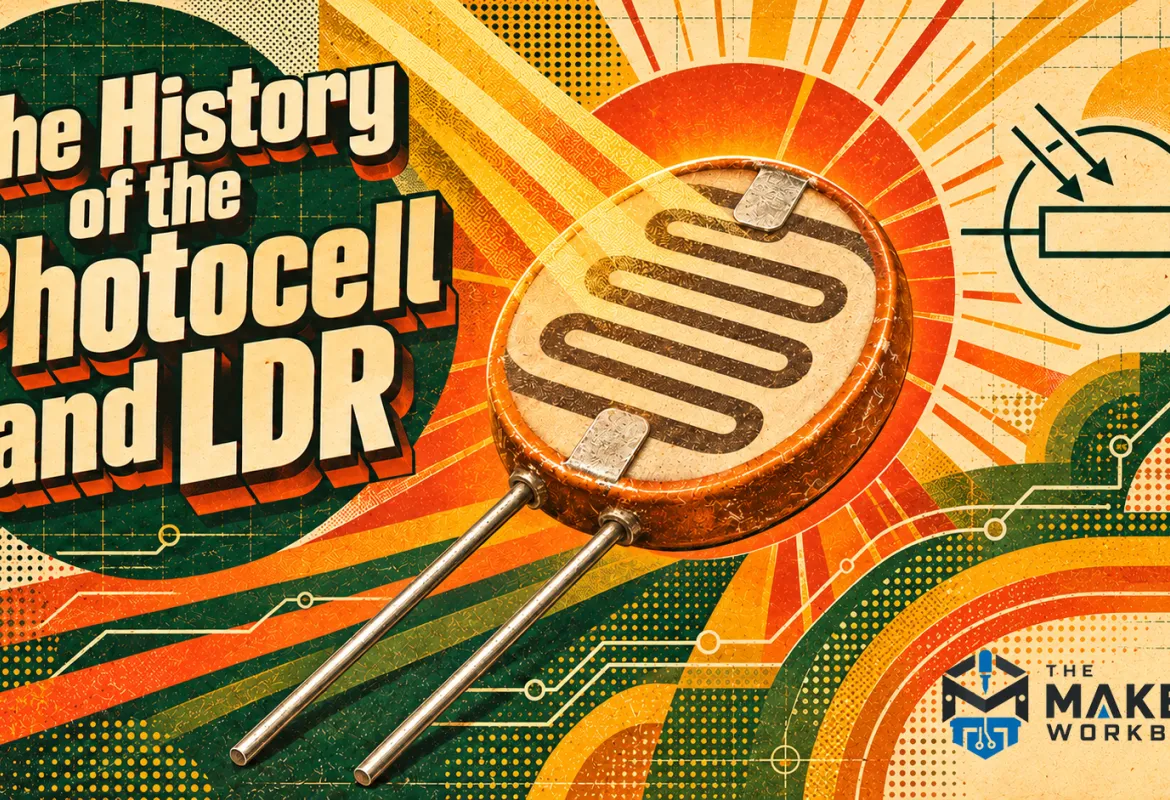
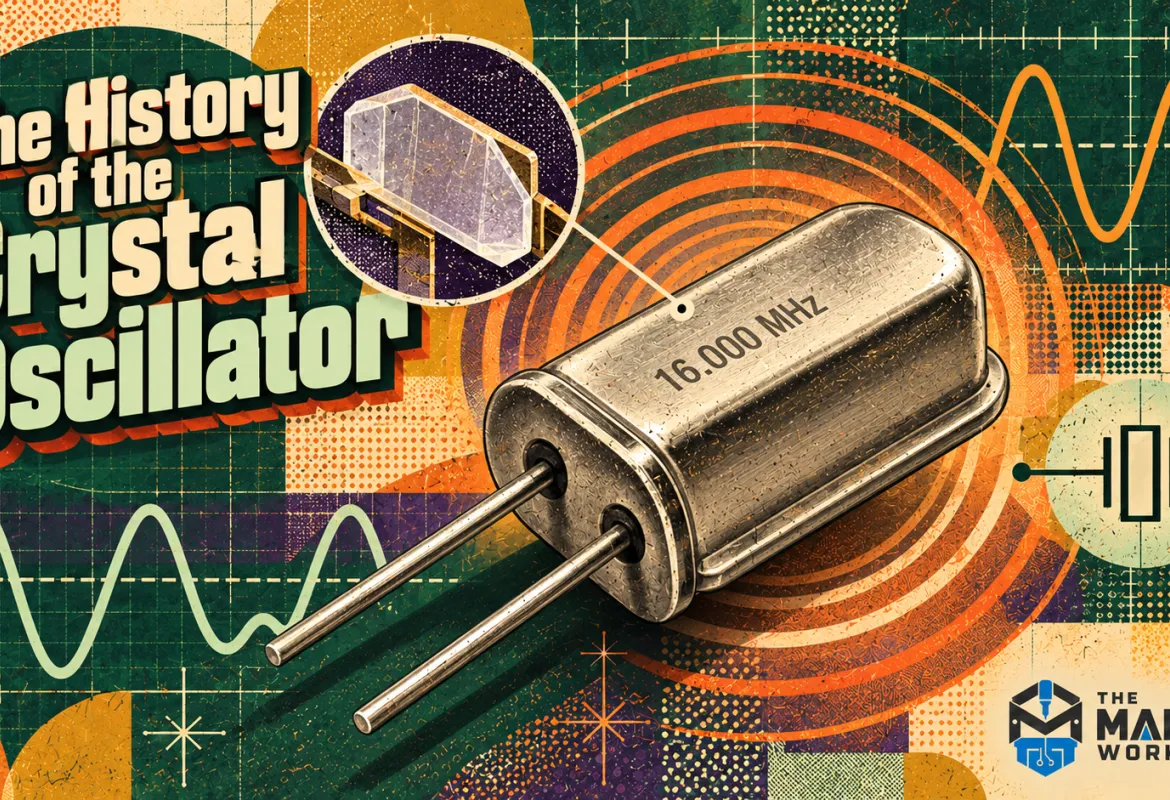
The History of the Photocell and LDR

Submitted by Charles Gantt on November 22, 2026

From Willoughby Smith's 1877 selenium bars to the cadmium sulfide LDR in hobby kits: how the photocell developed, how it works, and why cadmium rules limit it.
DIY Electronics
standard

Two battery, switch, and lamp circuits, one closed with the lamp lit and one open with the lamp dark, each with a voltmeter, beside the title How Electronics Work, Part 11, How Open and Closed Circuits Work
How Open and Closed Circuits Work: Mastering Fundamental Electronics Part 11
Learn how open and closed circuits work: why a break stops current everywhere in a loop, why an open switch carries the full supply voltage, and how to find a break.
A voltmeter dial above three symbol panels for circuit common, chassis ground and protective earth, beside the title How Electronics Work, Part 10, How Electrical Ground Works
How Electrical Ground Works: Mastering Fundamental Electronics Part 10
Learn how electrical ground works: circuit reference, signal ground, chassis, protective earth, ground faults and ground loops, and why ground is not always zero volts.
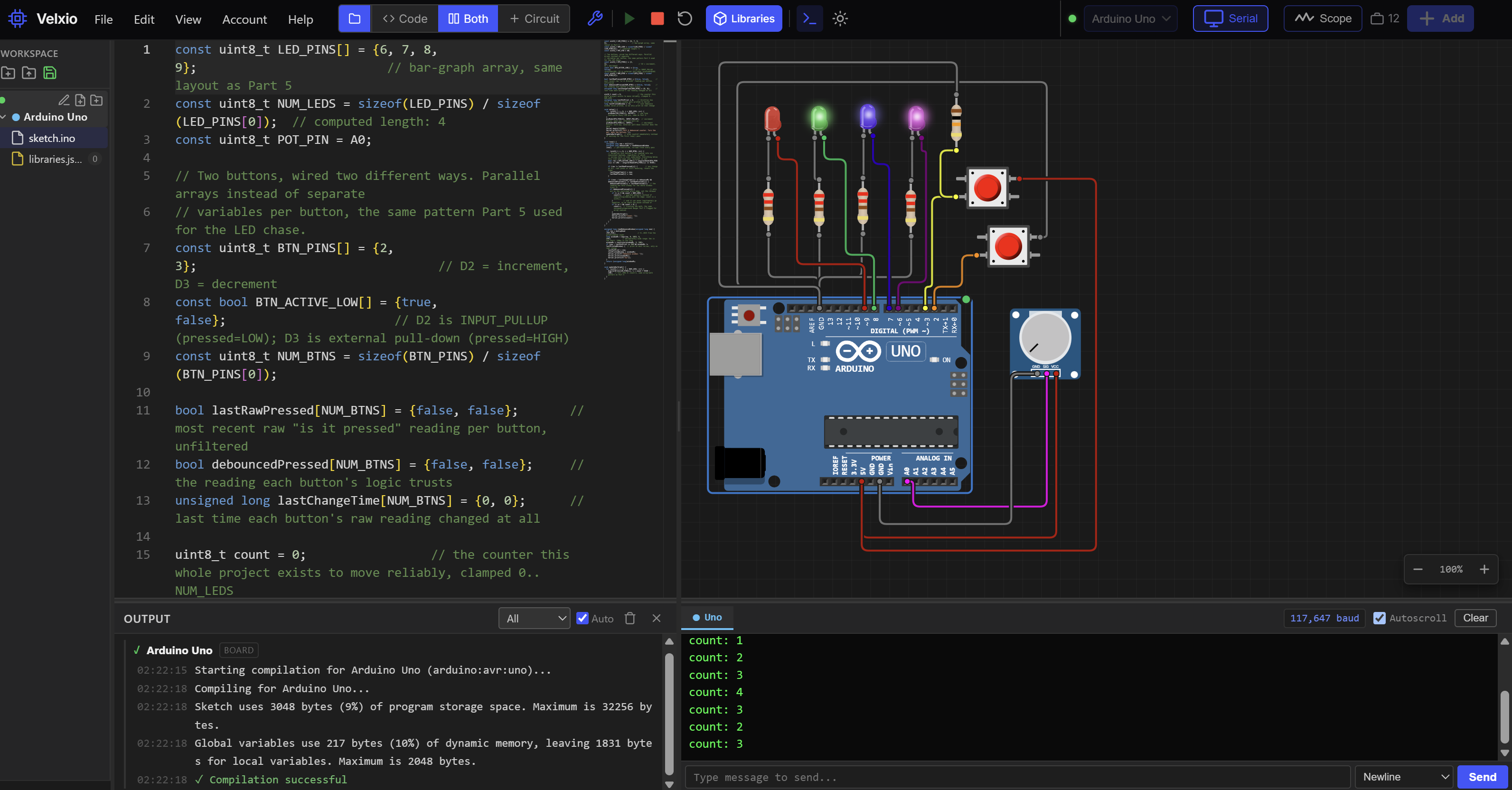
An Arduino Uno reading an I2C OLED and sensor board, with a serial monitor listing the device addresses it found, beside the title Arduino I2C Scanner
Finding I2C Device Addresses: The Arduino I2C Scanner Guide
Find I2C device addresses with an Arduino scanner sketch: wire it, read the results, tell 7-bit from 8-bit addresses, and troubleshoot an empty scan or an address conflict.