By April 3, 2026, ArcDroid was taking orders for the Plus controller, a drop-in replacement for the screen on its portable plasma robot. The product page lists it at $599, against a compare-at price of $699, and calls that $100 difference the pre-order price. The ArcDroid machine itself stays at $2,499, so the controller is the whole product here.
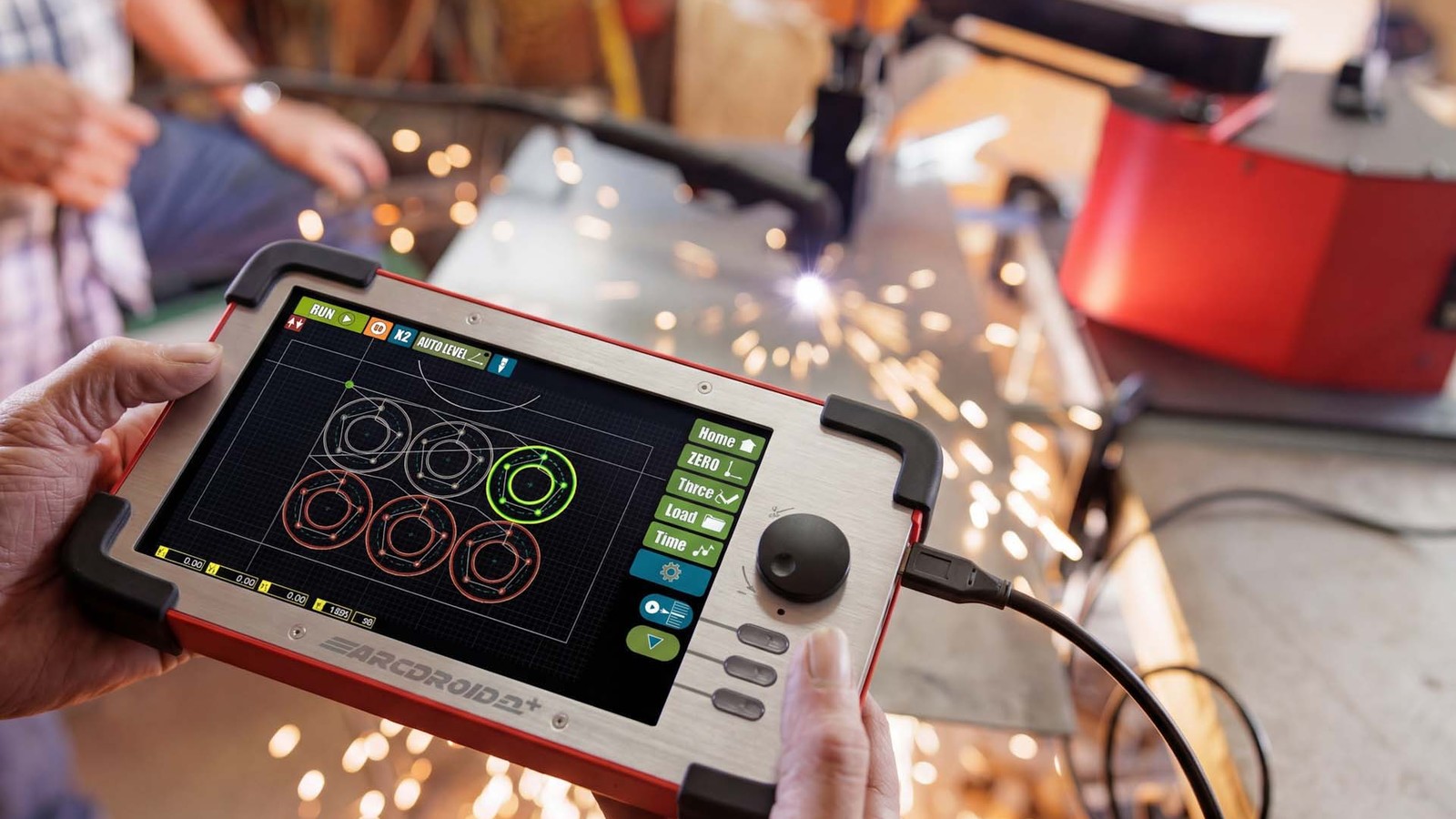
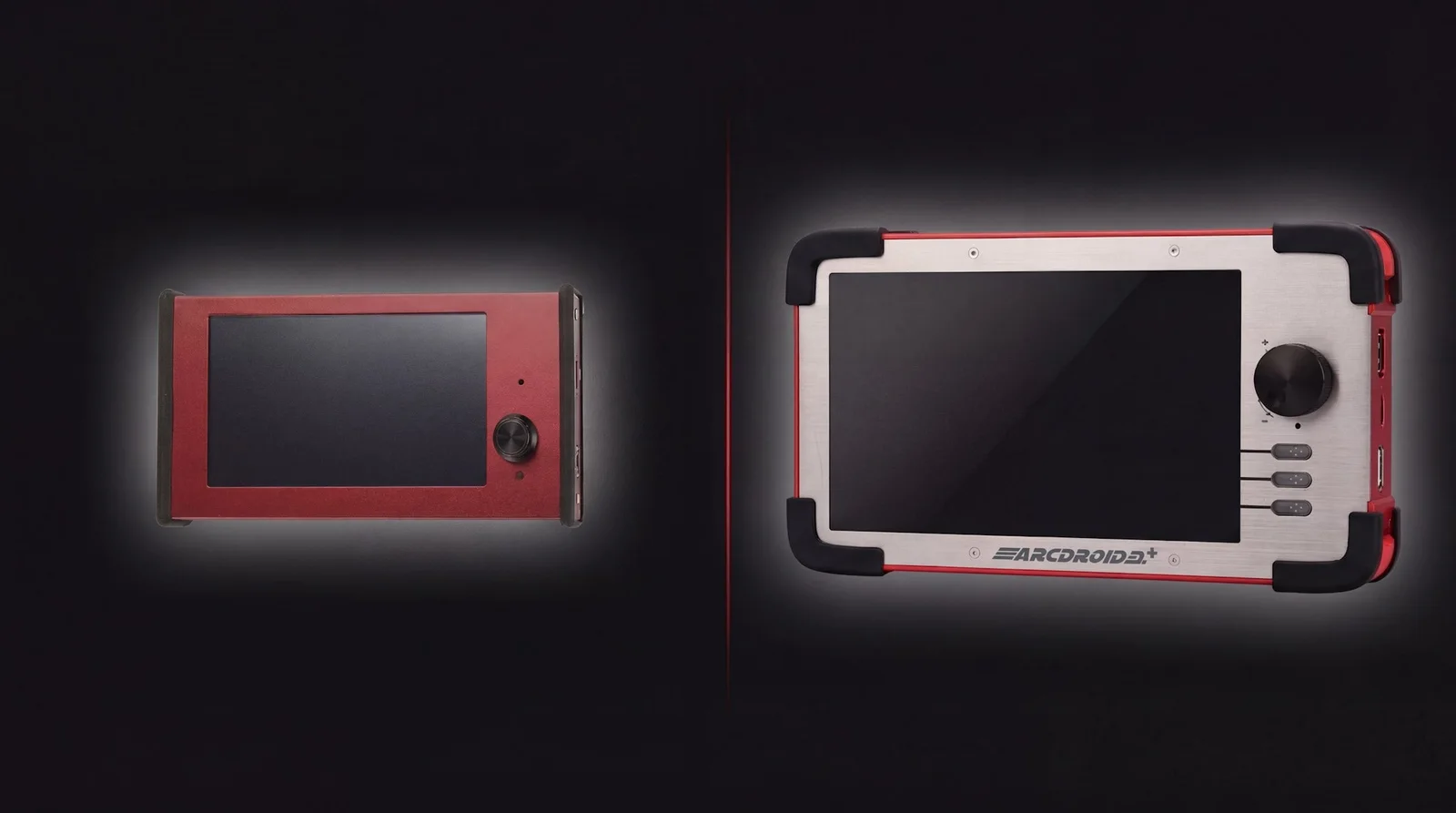
ArcDroid is essentially a portable robotic CNC plasma-cutting system. It's a small robot you set on the sheet, and it isn't a traditional XY gantry table. You trace a template or load a file, and the arm cuts. The original controller is the Simple Trace unit, with a 7-inch screen. The Plus is a larger brain for every ArcDroid already in the field, which is what makes this an upgrade and not a new robot.
TMWB has not tested the Plus controller. Everything here comes from ArcDroid's product page.
What does the Plus add?
The hardware list on the page is concrete. The screen is a 10-inch capacitive panel at 720 × 1280. Capacitive means it works like a phone screen, and the extra pixels give the shape list and text more room.
- Memory: listed as eight times the older controller, which is how ArcDroid explains that larger DXF files fit. A DXF is a common drawing file format. The page gives no megabyte figure, so a big file still has to be opened before you promise it fits.
- On-screen text: three stencil fonts, so you can lay out letters on the controller instead of only cutting a shape you imported.
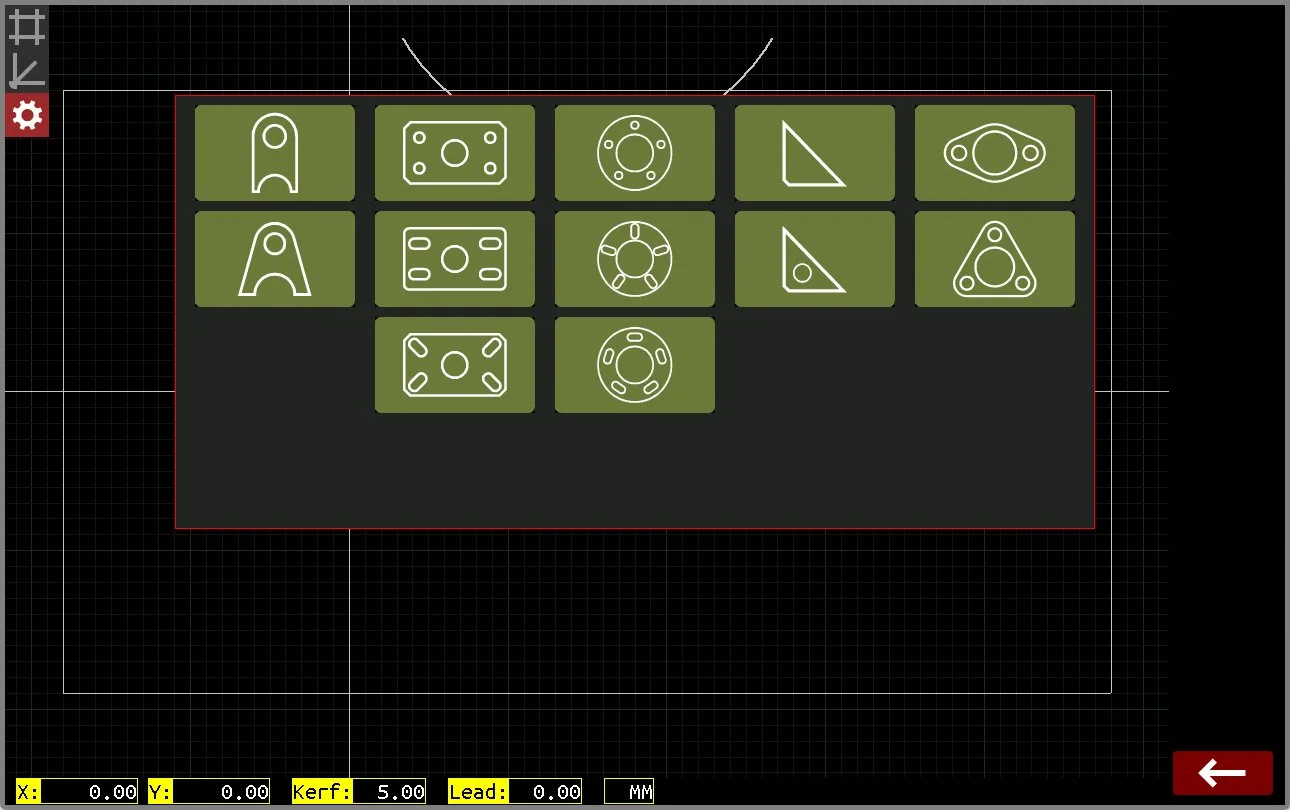
- Shape library: 12 parametric templates, the tabs, flanges, and gussets a fab shop draws every week. Parametric means you type the width and the hole size, and the controller builds the path.
- Patterns: full X and Y arrays, which repeat one shape in rows and columns.
- Run From Here: lets you resume or re-cut a shape in the middle of a program.
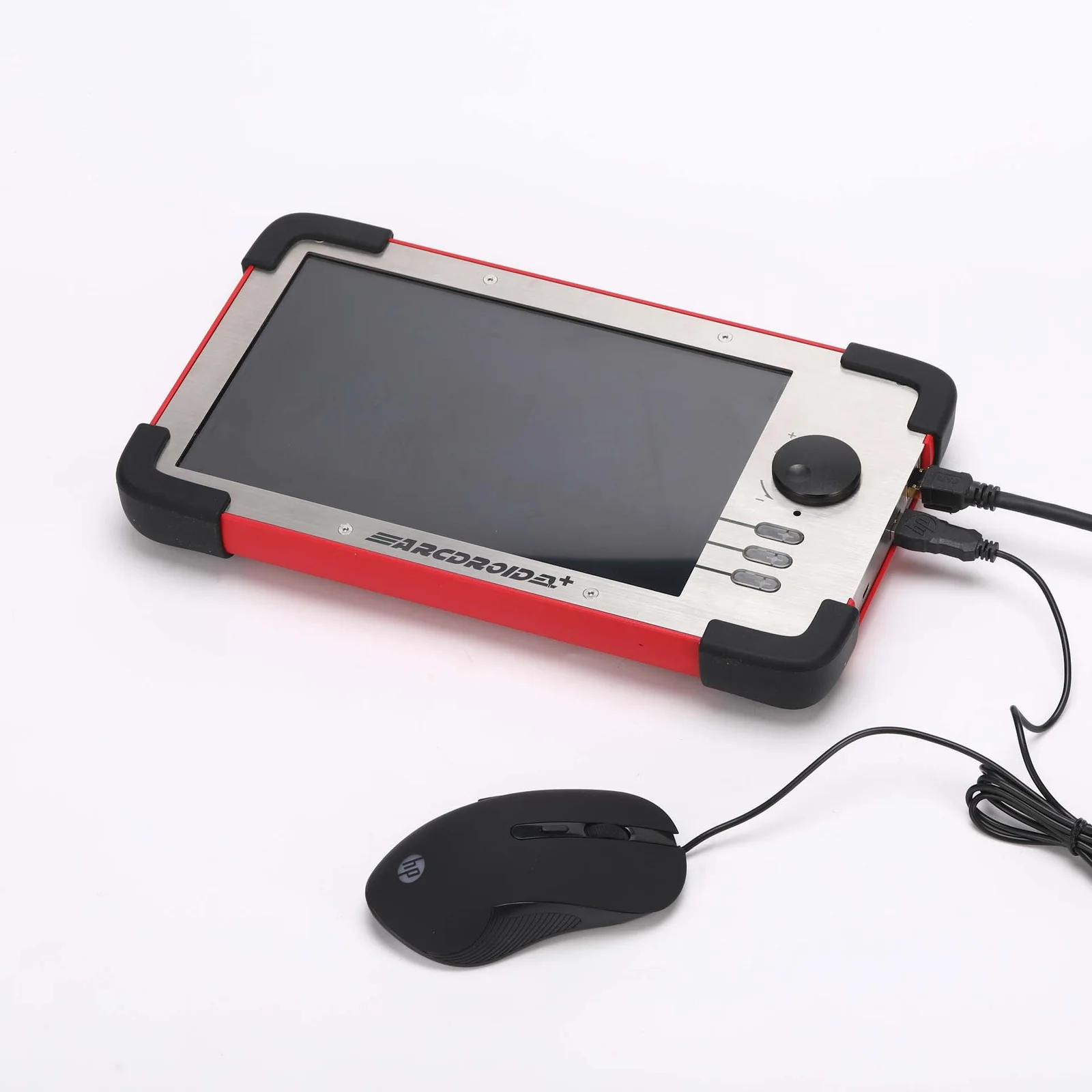
- Standalone mode: USB-C power and a mouse, so the controller can be used off the machine.
Why do stencil fonts matter on plasma?
Plasma cutting uses an ionized jet of gas to melt metal and blow it out of the kerf, the slot the torch leaves. That makes lettering tricky. A normal outline font can leave a loose island of metal in the middle of a letter, so the center of an A or an O drops out of the sheet. A stencil font keeps a bridge so the center stays attached.
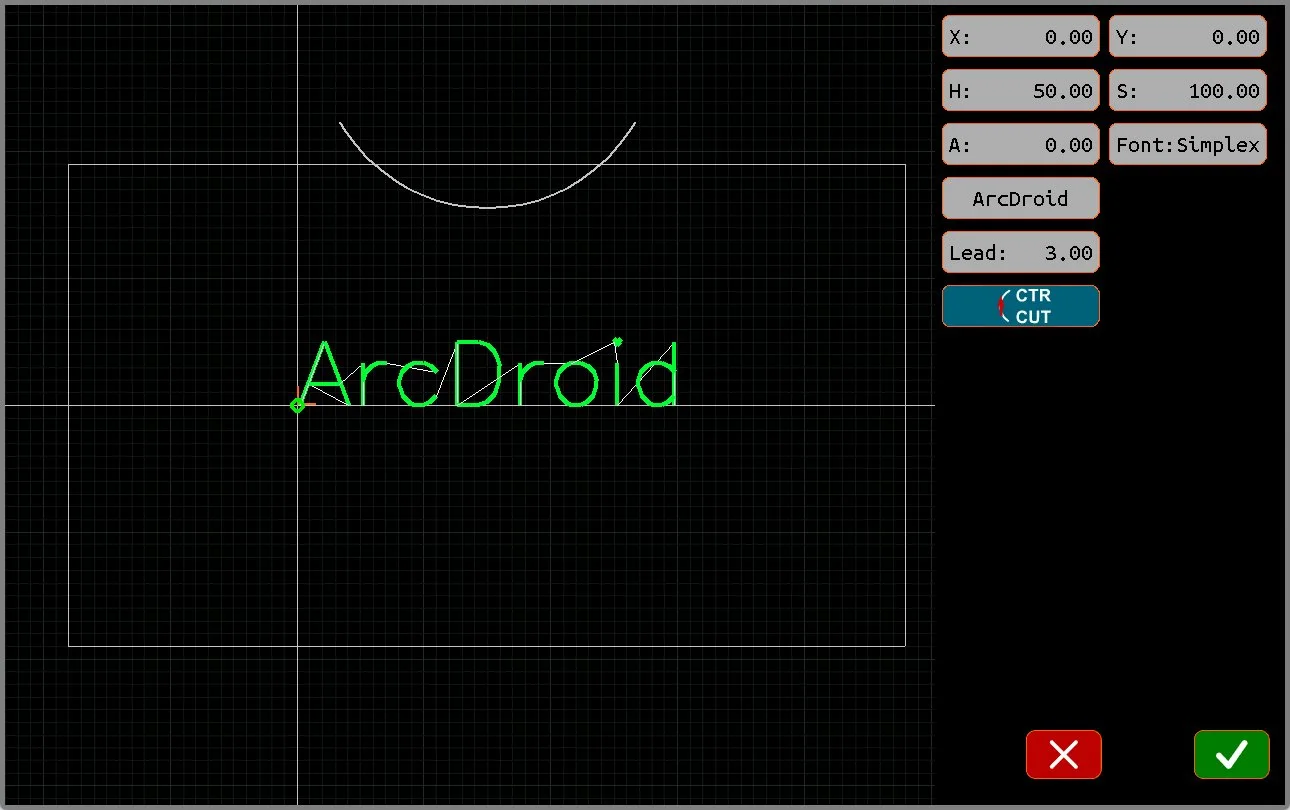
Three stencil fonts, twelve parametric shapes, and a full X/Y array are how a row of identical brackets can stay on the controller instead of going back to a laptop. Twenty brackets on a physical template would mean following it over and over. The array does that repetition for you.
How do the old and new controllers compare?
ArcDroid's comparison table on the page puts Simple Trace and Plus side by side. Simple Trace has the 7-inch display, basic patterning, and no on-screen text. Plus adds the text, the library, the arrays, the resume function, and the standalone mode.
The housing is described as die-cast aluminum, with USB-A and USB-C ports. There's a mount for the company's FlexTable arm. The page also says the controller works with every ArcDroid, includes a one-year warranty, and comes with free updates.
How should a buyer read the $599?
Owners are looking at a $599 screen upgrade. New buyers who want Plus instead of Simple Trace would add $599 on top of the $2,499 robot, which comes to $3,098. I added the two page prices myself, and they're separate products.
The page's availability language is messy, and it's worth saying so. It says "pre-order price" and it also says in stock and ready to ship, and those phrases don't describe the same week. April 3 is the day an order is documented. That means you could order. It doesn't mean the box was on a truck that afternoon for every country.
How does it compare with plasma tables?
A water table is a tray of water under the plate that catches sparks and slag. Langmuir's CrossFire and Arclight's Ultra V3 are the stationary machines that want one, and they cut a full sheet without anyone picking the machine up. ArcDroid's method is indexing: finish the patch the arm can reach, then set the robot on the next patch. Its trick is that you carry it to the plate, even to a job site.
Plus leaves that method in place. The torch, the motion arm, and the $2,499 robot are unchanged, and I wouldn't call this a new plasma cutter. What changes is how much of the job you can set up without a laptop. For a lot of owners that was the missing piece. Tracing a template is clever, and it's slow when the job is a row of 20 identical brackets.
Who is it for, and what's still unknown?
If you already own an ArcDroid and you're tired of the 7-inch screen, $599 is a clear invoice. If you don't own the robot, the interesting price is still $2,499 for the machine, and then another $599 if you want the new controller.
What the page doesn't yet prove is how the new interface behaves with a glove on, in a bright shop, with a messy DXF from a customer. The pixels and the feature list are published. The first month of real jobs isn't.
Sources and image credits
- ArcDroid Plus controller upgrade
- ArcDroid tabletop plasma robot
- Product images: ArcDroid official product page