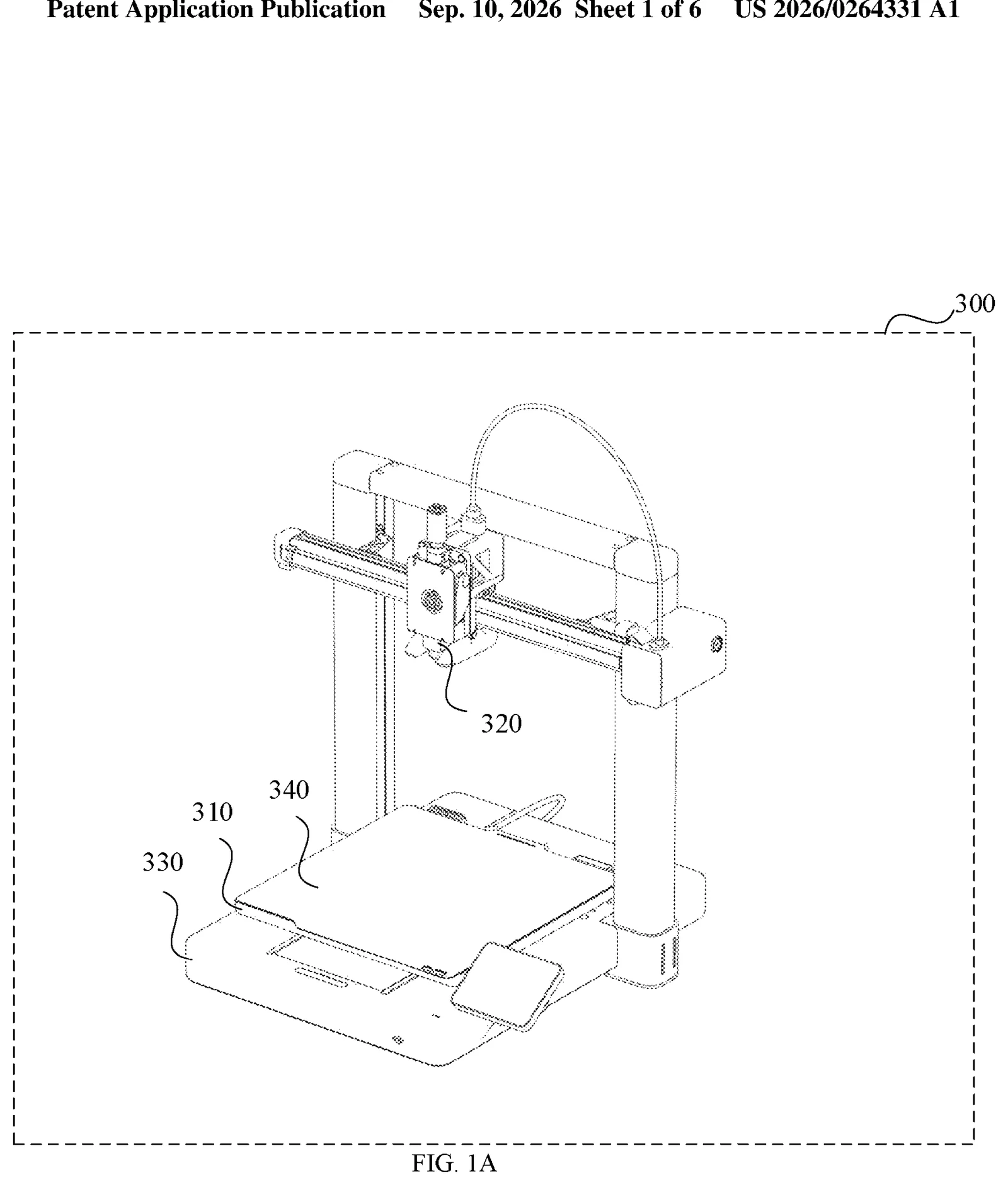
The company behind Bambu Lab, Shenzhen Tuozhu Technology, has a US patent application for a new 3D printer heated bed, published on September 10, 2026. The application, US 2026/0264331 A1, is titled "Heated Bed for 3D Printer and 3D Printer" and is posted in full as a USPTO publication. Its abstract says the design aims to improve print panel adhesion and print quality.
What the filing describes
The listed inventors are Kaiwang Tian and Rongming Xiong, and the application was filed on April 30, 2026. It is a continuation of a PCT application, PCT/CN2024/124688, filed on October 14, 2024, and claims priority to a Chinese application dated November 1, 2023. The classifications are B29C 64/295, B29C 64/245, and B33Y 30/00.
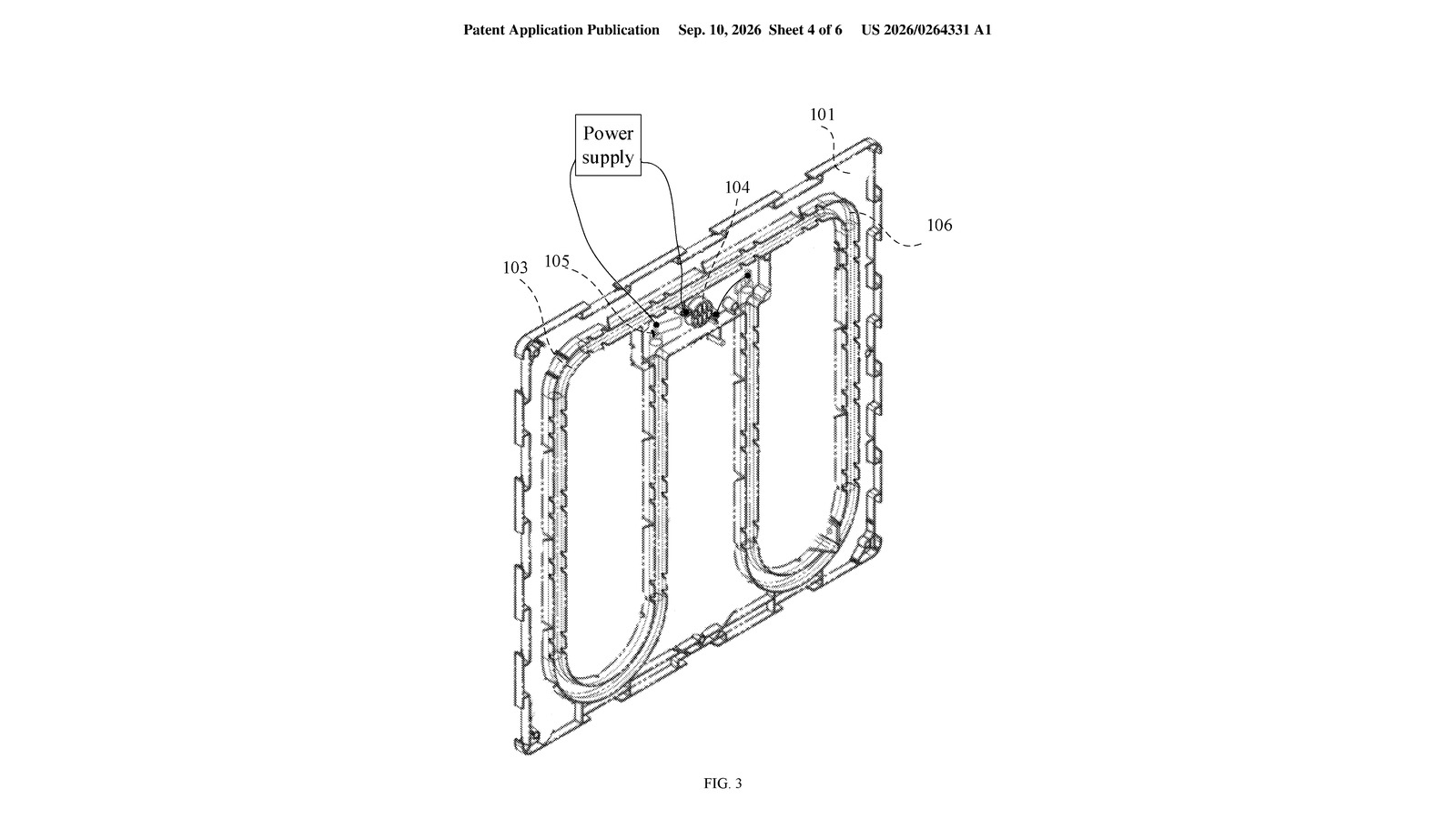
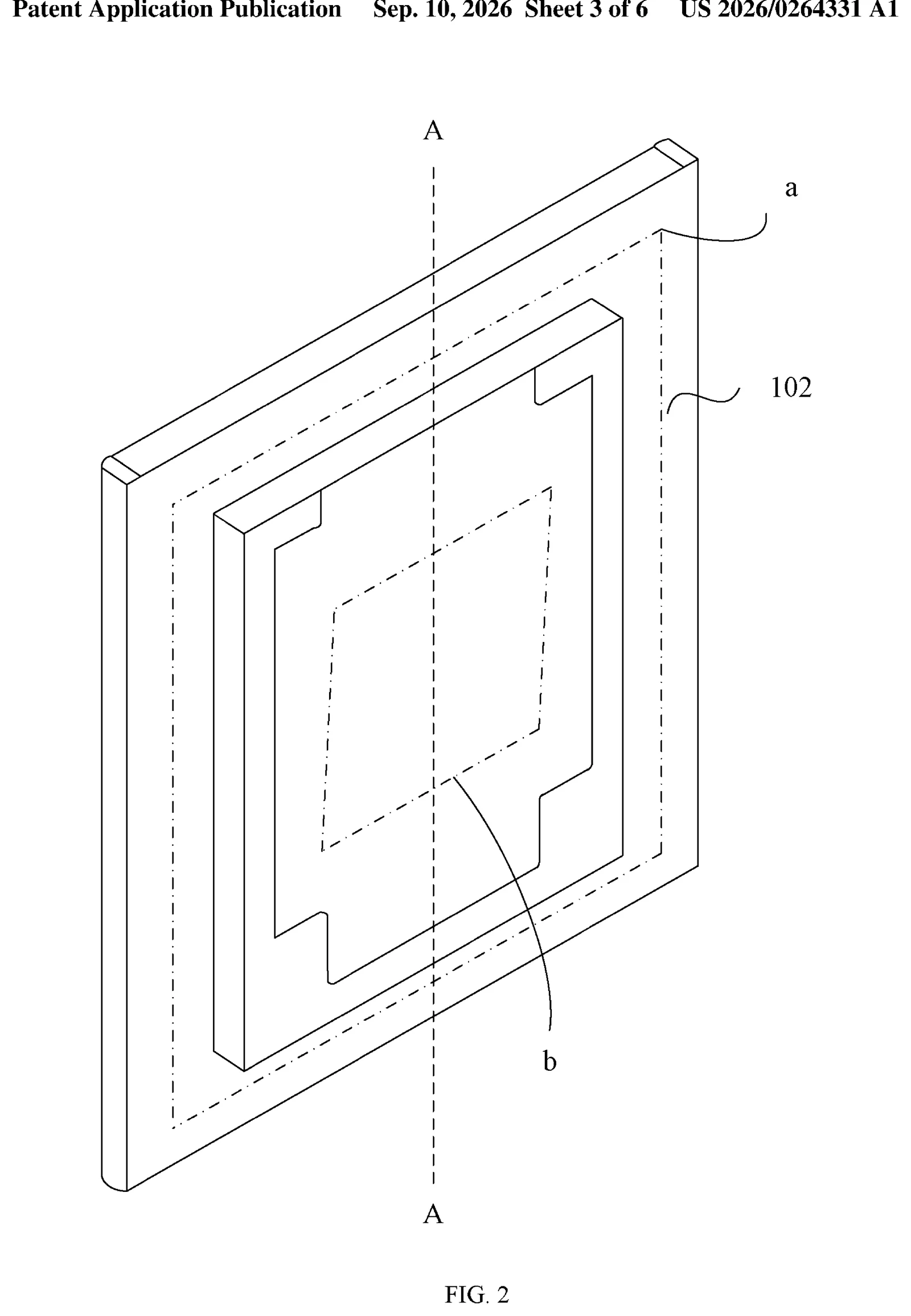
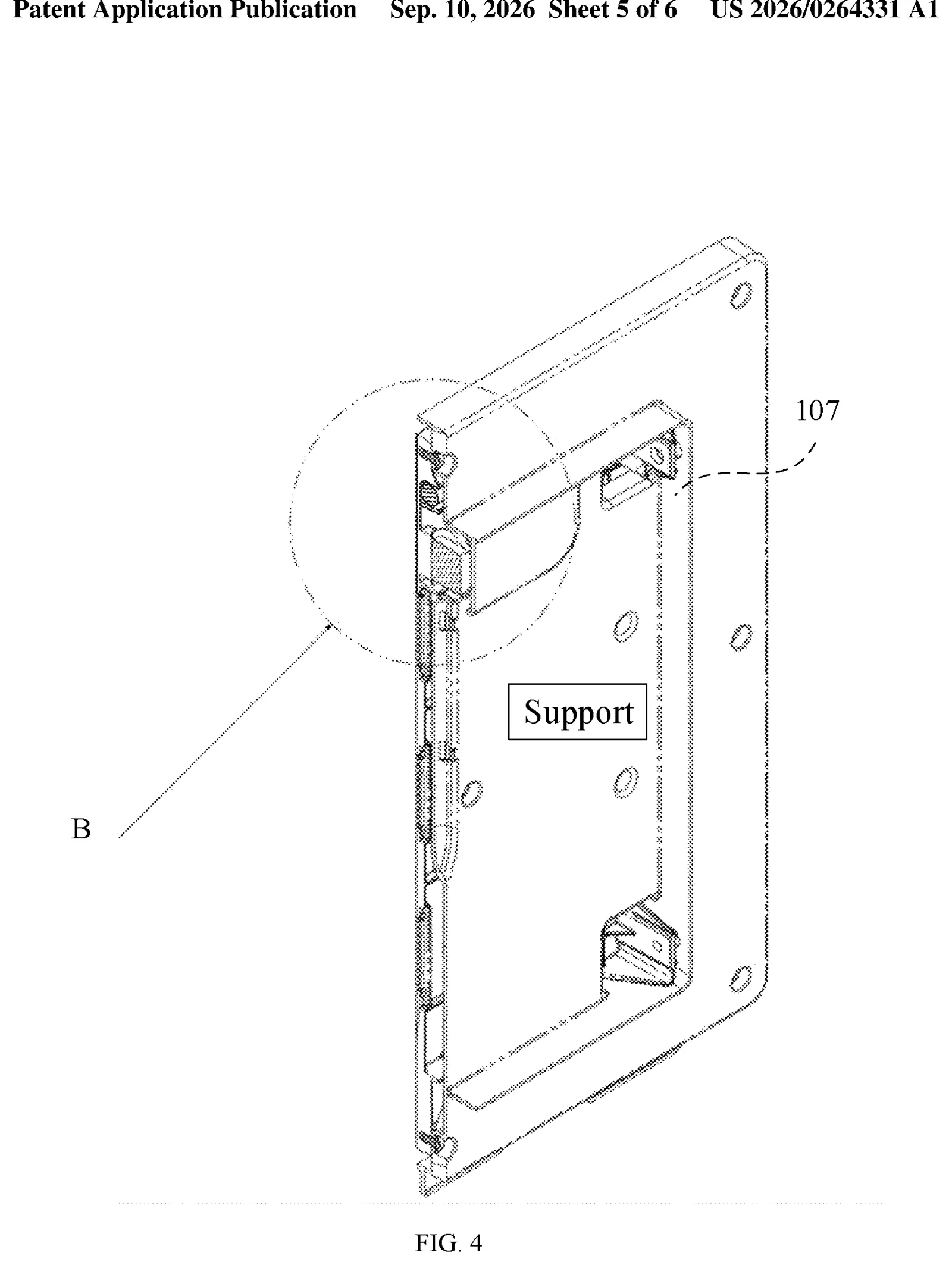
The abstract describes a heated bed made of three parts: a heated bed body, a heating unit, and a bottom case. The heating unit sits between the body and the bottom case and is attached to the body's underside, with each end connected to a power supply. In the drawings, the heater appears to follow a continuous path through a channel in the bed body, though the claims text could not be read in the image-only PDF. Current Bambu Lab beds use a laminated heating sheet stuck to an aluminum plate, with magnets holding the build plate on top, so the filing replaces that sandwich with a machined body that carries the heater.
Why a bed layout matters
Uneven bed heat is a common cause of corner lift and peeling on large prints. A heater that loops through the full bed, out to the corners, could even out temperature across the surface, and the filing's stated aim is better adhesion. The filing's title also covers a 3D printer that uses the bed, so any printer claims would depend on the bed design.
Nothing in the publication gives performance data, and the figures are patent drawings. The filing does not describe independently heated zones, and it does not give a price or a product name. The application is also still pending. A published application is not a granted patent, so it cannot be enforced yet and it may change before any grant.
What to watch
Bambu Lab has not said whether this design will appear in a product. Patent applications often cover ideas that never ship, and companies file broadly to protect options. If the bed does reach a printer, replacement cost is the practical question for owners. A machined aluminum body costs more to make than a laminated heating sheet, which could raise the price of replacement beds, though the filing notes nothing about manufacturing cost. Bambu Lab's competitors, including Prusa and Creality, use their own heated bed constructions, and a granted patent could matter to how much of this design they can copy.
Anyone who wants to read the claims can open the USPTO document directly. It runs 12 pages, including six sheets of drawings.
The filing's history adds some context. It is a continuation of a PCT application filed on October 14, 2024, which is the international route for seeking patents in several countries at once, and it claims priority back to a Chinese application dated November 1, 2023. That makes the underlying design nearly three years old, so any product that uses it could already be in development. The US application was filed in April 2026 and published in September 2026, and the publication does not say whether an examiner has reviewed it.
A published application is not a decision. In the United States, an examiner reviews the claims, which are the numbered statements at the end that define what the applicant wants protected, and the applicant can amend or narrow them before a patent is granted, or abandon the application. A granted utility patent generally lasts 20 years from its earliest effective filing date. Anyone can read the full application on the USPTO's publication server, and the drawings in the PDF are the only images Bambu Lab's parent company has released for the design.
The classification codes on the cover place it in additive manufacturing. B29C 64 covers 3D printing of plastics, with subgroup 64/295 for heating elements and 64/245 for platforms and substrates, and B33Y 30/00 covers apparatus for additive manufacturing. Those codes describe the filing's subject, a heated platform, and they are how examiners and competitors find related patents.
Sources and image credits
- USPTO: US 2026/0264331 A1, Heated Bed for 3D Printer and 3D Printer (patent application publication)
- Images: patent drawings from the USPTO publication