The last time a connector moved on a board I was building, the firmware did not move with it. The schematic, the drawing of which pin connects to which, had the sensor on one pad. The header the microcontroller compiled against still named the old pad. I found that on the bench, after the part was soldered.
On August 3, 2026, Dirk Stoop published Flux's summer update. Flux here is the electronics design platform at flux.ai. It is not Black Forest Labs, the image-model shop with the same first name. The post adds a public MCP server, a chat mode for thinking before parts are placed, and sharper placement and routing for a small edit. MCP, on first meeting, is the Model Context Protocol, a standard plug so one AI assistant can read another tool's project data and ask it to do work.
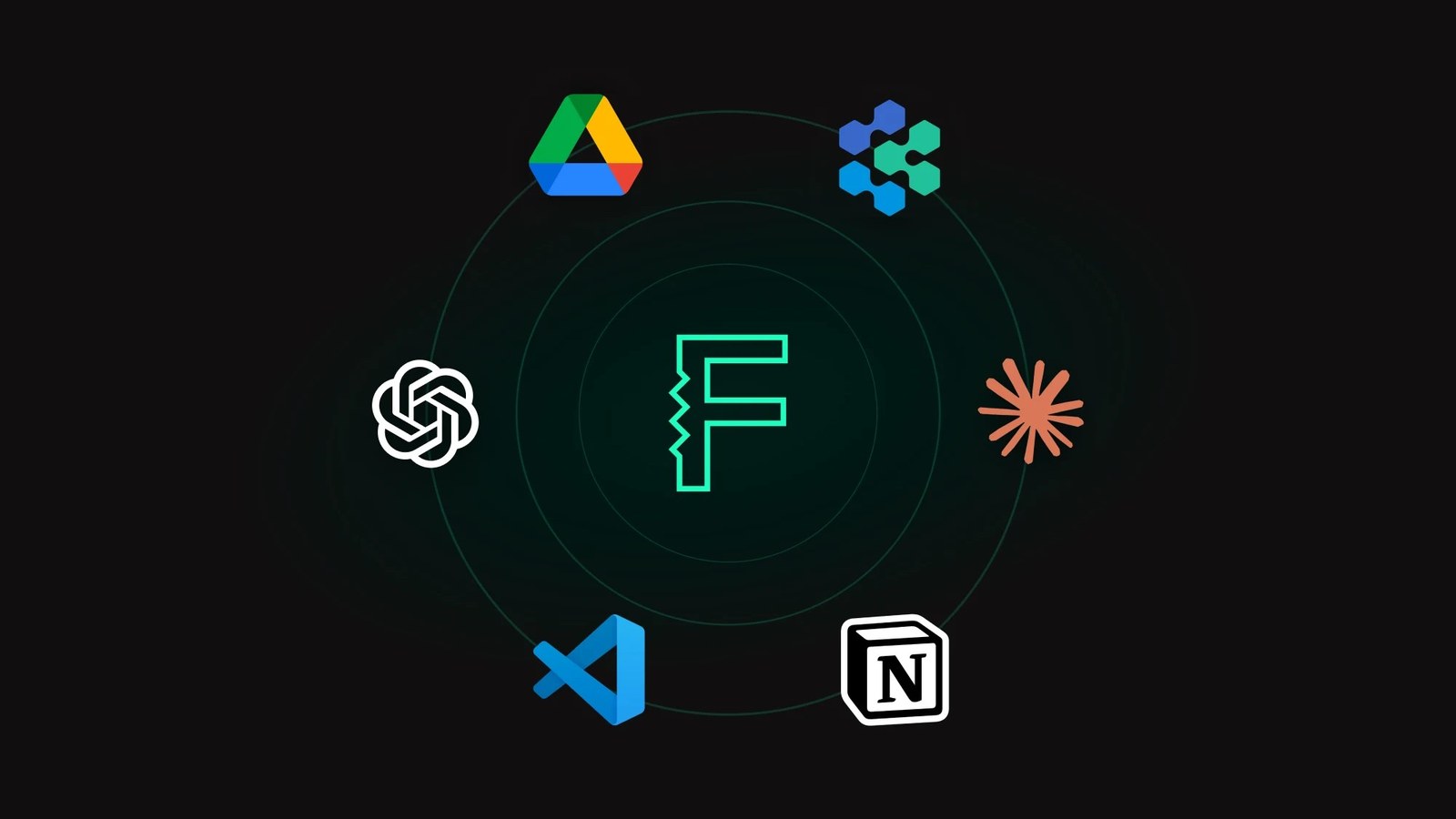
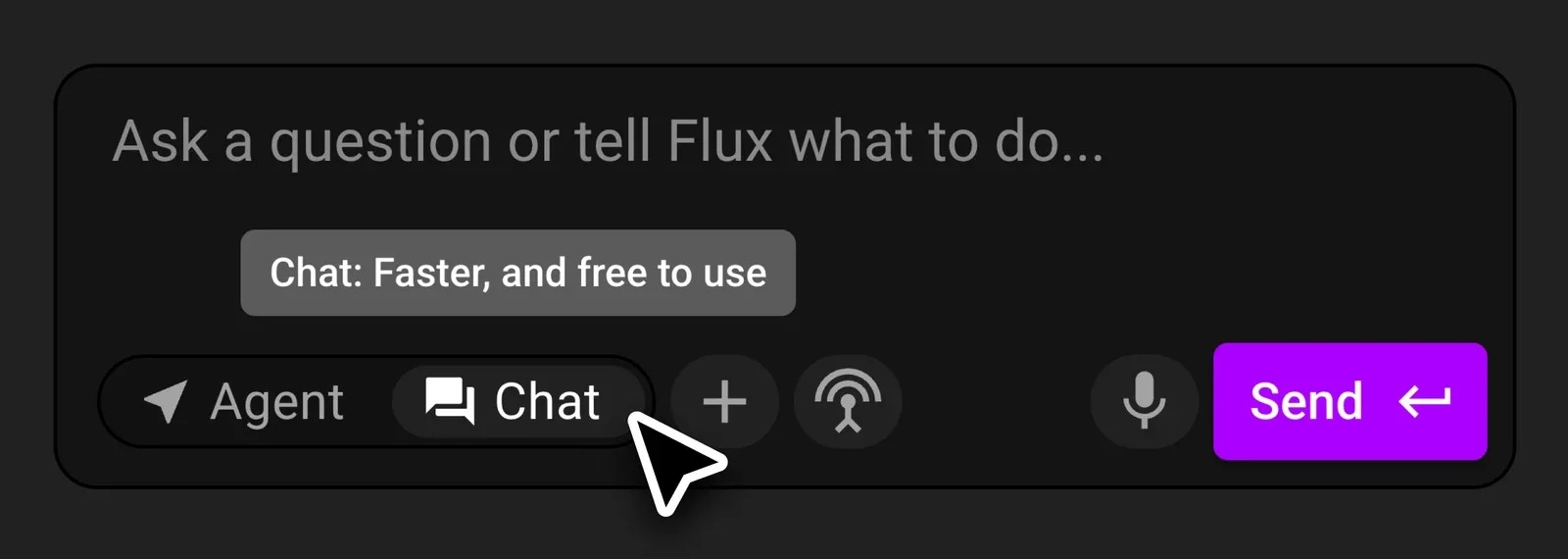
Flux says outside agents, including Claude, Cursor, Devin, Codex, ChatGPT, and Notion AI, can query live board context and drive the printed circuit board from those tools. A printed circuit board, or PCB, is the copper, the pads, and the parts. The post lists no price. A tooltip on the chat-mode screenshot calls that mode faster and free to use. If your firmware has to follow a connector that still moves, that link is the reason to care.
What actually changed?
A coding agent used to know the firmware and not the board, unless you pasted a pin table. Flux now says it can read the live board. It can write firmware headers from real pin assignments and net names. It can notice a conflict, ask Flux to update the schematic, and update the firmware to match.
A pin assignment ties one physical pin to one electrical connection. A net name is that connection's name, such as GND or SENSOR_TX. Every pin that should be tied together shares it. A firmware header is the small text file the device code includes, so the program and the board use the same names and numbers.
Flux says it now asks clarifying questions before building. Chat mode is the front door for that: a faster, lower-cost way to brainstorm and spec an idea before the build. A message sent mid-build stops or redirects the work faster, they say. Voice dictation is there when the instruction is long.
Flux says the agent makes fewer mistakes and checks itself more, crediting harness work, model upgrades, and stricter checks. A harness is the wrapper that calls tools and ends the session. Placement and routing are "significantly sharper," their phrase. Moving one connector, or routing one trace, should stay on that ask and return faster. A full-board route should move toward a board you could fabricate. They also cite cleaner decoupling-capacitor paths, smoother pad entry, and better differential pairs. Large projects load faster. Handoff adds refined parametric footprints (pad patterns from editable dimensions), stronger silkscreen export (the ink labels), and a clearer view of past charges. No percentage is attached.
How does the new piece work?
Two windows. Flux holds the schematic and the board. Cursor, Claude Code, or Codex holds the firmware. The MCP server is the plug. The agent is not reading last week's PDF. Flux says it can query live context and drive PCB edits programmatically, meaning the other program can ask for the change.
Flux says engineers are already connecting Claude Code, ChatGPT, and Codex to production-bound boards, including ESP32-S3 designs, power systems, and scientific instruments. An ESP32-S3 is Espressif's Wi-Fi and Bluetooth microcontroller, a small computer on one chip. The post names no teams.
Chat mode sits in front of the build. You describe the product, answer the questions, then let the agent place parts. The tooltip says "Faster, and free to use." The paragraph says lower-cost. I am reading both as Flux's description of chat, not as a price list. Setup and the tool list live in the docs the post links. I will not invent that click-path.
What does this look like on a real project?
Take a sensor board on an ESP32-S3 module. One connector has to match a firmware file. It carries power and a serial link, a stream of bytes with transmit on one wire and receive on the other. If the header and the connector disagree, the board can be fine and still talk on the wrong pin.
I would start in chat mode. The board needs the module, a USB connector for power and programming (USB is Universal Serial Bus), a four-pin sensor connector, and a decoupling capacitor by the power pins. That capacitor is a small part that supplies a short burst of current so the rail does not sag when the chip switches. I would lock the pin order as 3.3 volt power, ground, transmit, then receive, and make Flux repeat it before placing anything.
Then I would ask the coding agent, through MCP, for a header from the live nets. The shape is below. The numbers have to come from the board.
// Shape only. Read the numbers from the live Flux board.
#define PIN_SENSOR_TX   /* net SENSOR_TX */
#define PIN_SENSOR_RX   /* net SENSOR_RX */
#define PIN_SENSOR_PWR  /* net SENSOR_3V3 */
Next I would slide the connector to the other edge, because a boss is in the way. Stoop's surgical example is "moving a connector to one side of the board or routing an individual trace." After the move, the agent should read the board again. If a number changed, the post's loop is: notice the conflict, ask Flux to fix the schematic if that is what is wrong, and update the header. I have not run this on the August 3 build.
USB D+ and D- are a differential pair, two matched traces carrying one signal. Pad entry is where a trace meets a pad. Flux says both improved. I would still look, and I would still run the fabricator's design rules on width and gap.
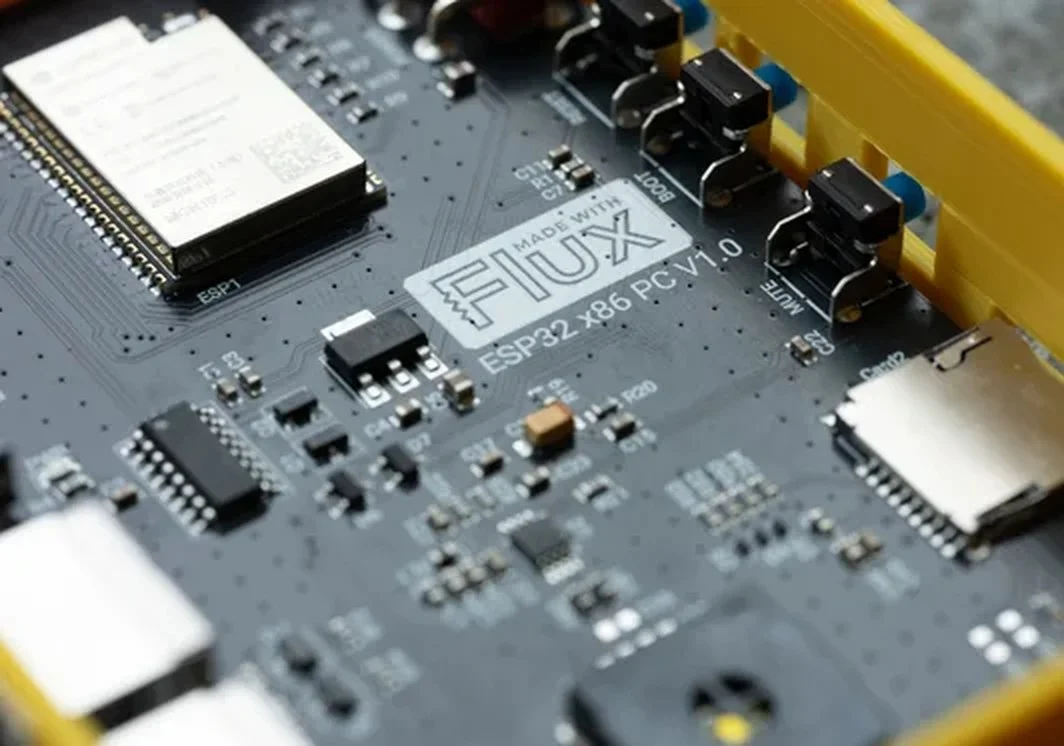
How does it compare with the previous version?
The post does not score itself against earlier 2026 updates. It describes a change of habit: ask in chat before a long placement run, and catch a wrong footprint while the router is still going. A one-connector move used to risk redoing copper you liked. Flux says that case now stays focused, while a full-board route still aims at a manufacturable board, their word for one you could send out. There is no before-and-after count. Past charges are easier to see. The rate is still unprinted.
Where does it sit next to other tools a maker already uses?
The coding side of the plug is Claude, Cursor, Devin, Codex, ChatGPT, and Notion AI. Notion belongs because pin tables often live in a notes page. If your layout is in KiCad or Altium, this post does not say those files open. ECAD, electronic computer-aided design, is the class those tools sit in. Flux is talking about Flux projects. You still compile where you already compile. MCP replaces the stale pinout paste. It does not replace the compiler or the fabricator.
What does it cost, and who can use it today?
There is no subscription price, per-run price, or token price in the post. A token, on other AI bills, is a chunk of text. Flux does not use that unit here, and I will not invent a figure. Chat is called faster and lower-cost, and the tooltip calls it faster and free to use. Easier past-charge lookup implies that some actions bill. The amount is not here.
Flux's account of who can use it: anyone with a Flux project, plus the named agents once MCP is connected. Voice, steering, and the layout changes are in the same update. Engineers, Flux says, are already using the link on ESP32-S3 designs, power systems, and scientific instruments.
What is still unproven?
"Significantly sharper" is Flux's judgment. There is no routing score and no timed connector move. "Production-bound" means headed for production. It names no product that shipped on August 3. Free chat and "lower-cost" can both be true if chat is free and the build bills. The post does not draw that line.
I have not built this sensor board on the August 3 software. The header above is a shape, not an export. The loop counts on your bench only after an agent reads your nets and the numbers match the connector in your hand.
Disclosure
Disclosure: The company covered in this article has not sponsored The Makers Workbench or paid for this coverage. Companies interested in having The Makers Workbench evaluate or cover an AI model, product, or service, or incorporate it into a future Makers Workbench project, may contact us for sponsorship rates and terms. Sponsored content and partnerships are disclosed as such.
Sources and image credits
- Flux announcement (www.flux.ai)
- Images: published by Flux with the announcement.