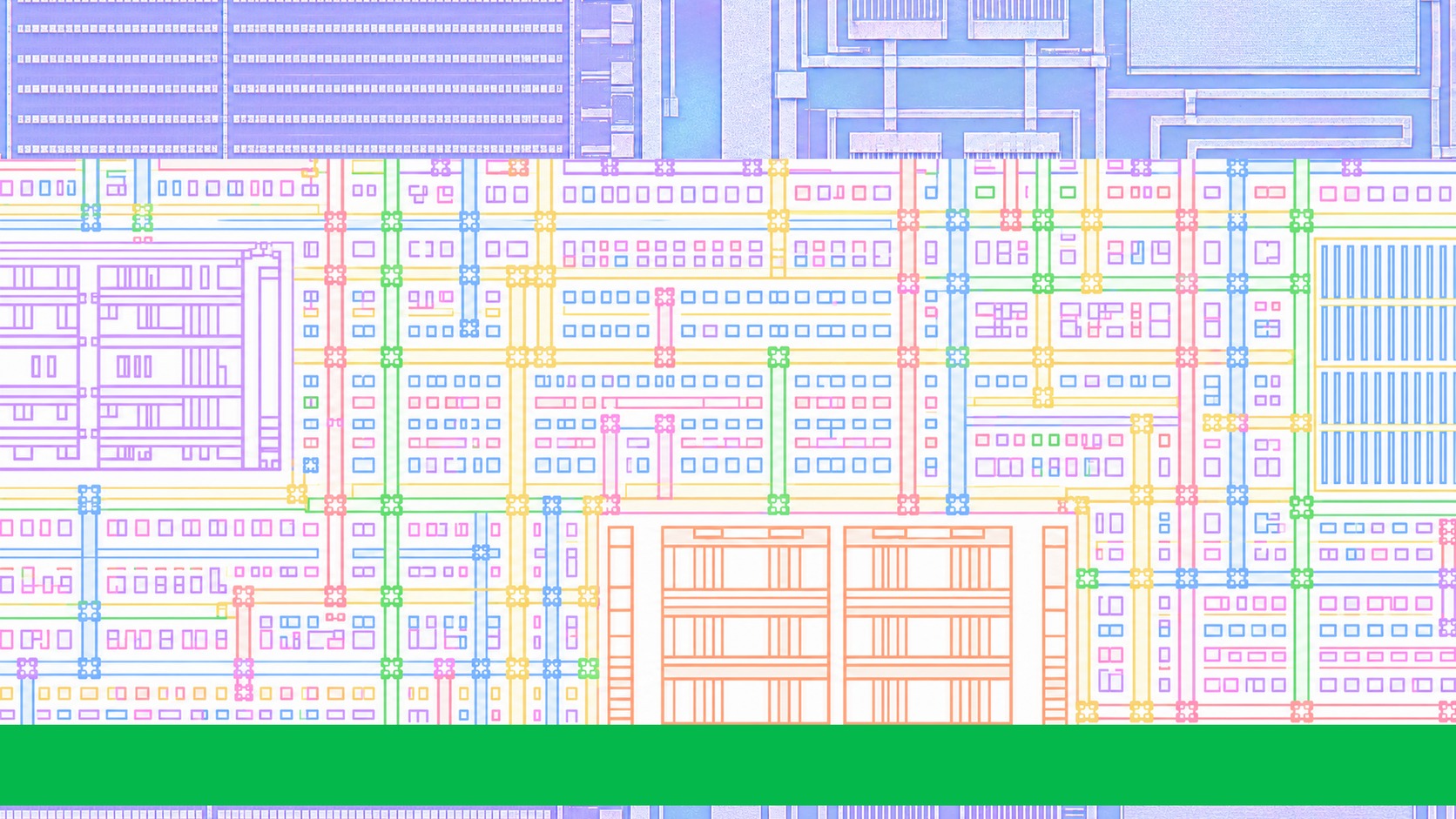
OpenAI published a report on November 18 saying its models have improved production chip designs for AMD and for OpenAI's own Jalapeño inference chip, and that the latest GPT-6.2 Astra model scored highest on two open-source RISC-V processor tests. The post, Advancing chip design with OpenAI models, follows OpenAI's August results on Jalapeño and adds a partnership with Synopsys to train a model called GPT-Synopsys on electronic design automation (EDA) tools.
OpenAI says the models rewrite the SystemVerilog RTL, the code that describes a chip's circuits, and then use Synopsys tools to check that each rewrite preserves the block's behavior and to measure power, performance, and area (PPA). The report describes results on three kinds of work: a chip already in silicon, a partner's flagship designs, and public benchmark cores.
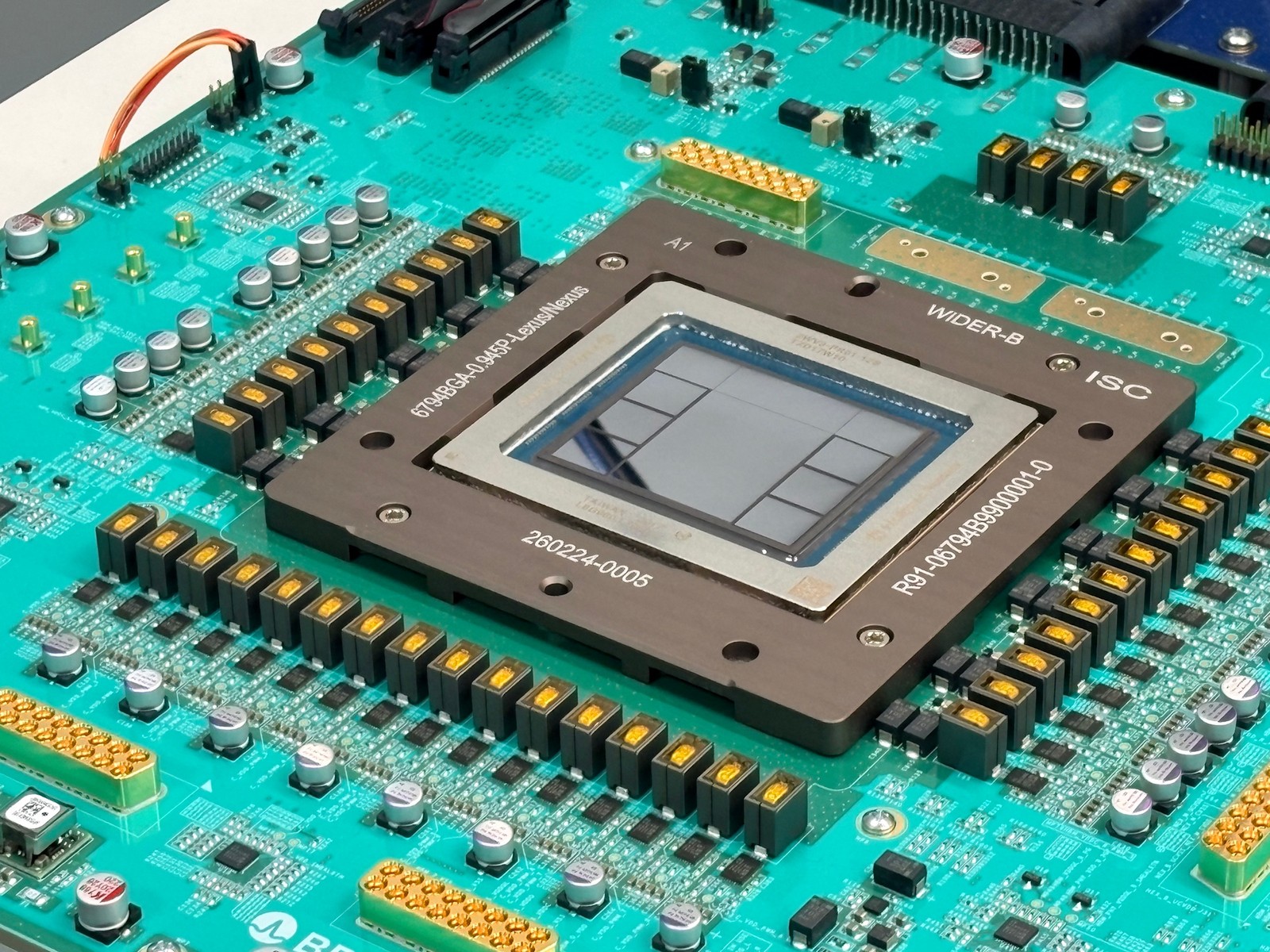
Image: OpenAI.
Jalapeño and AMD results are reported, not independently measured
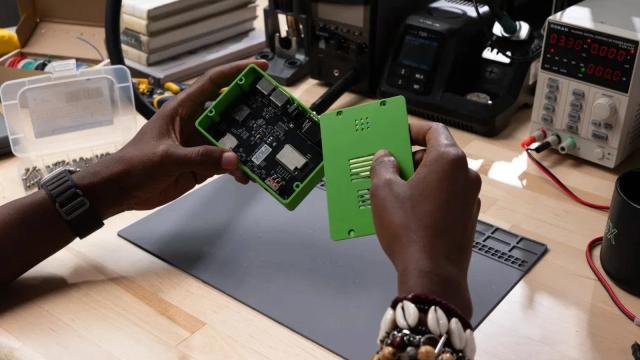
On Jalapeño, OpenAI says it began using GPT-o3 mini in early 2025 and that even that model found nontrivial PPA gains. One multiplier redesign used about 15 percent less cell area in synthesis and cut latency from two clock cycles to one. An adder redesign saved about 15 percent of area while keeping its two-cycle latency. Across the effort, the team estimates model-proposed changes cut standard-cell area by about 13 percent in the vector unit and 10 percent in the matrix unit, and says the changes were proven during silicon bring-up.
With AMD, OpenAI reports up to 14 percent PPA improvement over heavily optimized baselines on flagship GPU IP, which it describes as roughly a year of progress in under five months. That is a pace of more than 2.4 times the normal rate, using OpenAI's own arithmetic. AMD has included some of the changes in a design sent for manufacturing, and AMD verified single-digit percentage gains in key blocks of its next flagship CPU. All of these figures come from OpenAI's post. AMD's own statements are not quoted, and the report does not name which blocks changed.
The RISC-V tests use cores a hobbyist can run
To track progress from one model generation to the next, OpenAI tested two open-source 32-bit cores. PicoRV32 is a compact core designed for FPGAs, and Ibex is the embedded processor in the OpenTitan security chip. Both are small, public designs that open-source tools such as Yosys can synthesize, which makes the benchmark easier to relate to bench work than the proprietary AMD results.
In the first task, each model received a core's original hardware description and was asked to raise throughput. Designs scored zero if they failed a simulation check or used more than 16 times the original area. Passing designs were scored on instructions per cycle across hidden workloads, multiplied by a maximum clock frequency estimated with Yosys, an open-source synthesis tool. The best throughput seen on each core was set to 1.0. At a comparable budget of about 112,000 tokens per run, GPT-6.2 Astra had the highest average score on both cores, about twice GPT-6 Astra's on PicoRV32. GPT-6.1 Sol also beat GPT-5.6 Sol on both.
Designing from a specification scored higher, with a caveat
In the second task, the models received written requirements and open-source templates showing how the core connects to its system, then chose the pipeline stages themselves. At around 112,000 tokens, all five models scored higher designing from requirements than improving an existing core. GPT-6.2 Astra reached about 0.7 on PicoRV32 and about 0.75 on Ibex. The full evaluation covered 9,881 scored runs across both tasks, both cores, and every token budget.
OpenAI itself flags why the spec-based scores may be inflated. Starting from requirements lets a model leave out features the original cores carry, such as performance counters and extra instructions, which may add little on the test workloads. The post says requiring those features, setting a tighter area limit, and checking timing after physical synthesis would make the test more representative of production work. A throughput score built on a Yosys frequency estimate also differs from timing closure on a real process.
The post does not say whether the generated cores, prompts, or scoring scripts will be released, so the numbers cannot be reproduced from the report alone. It also gives no token costs in dollars.
GPT-Synopsys and what comes next
OpenAI says it is training GPT-Synopsys with Synopsys so the model can drive Synopsys EDA tools the way expert chip designers do, and it links a Synopsys announcement of the partnership. The report states an expectation of further PPA gains on both GPU and CPU designs relative to the most optimized baseline. It gives no release date for GPT-Synopsys and no pricing.
Sources and image credits
- OpenAI: Advancing chip design with OpenAI models (November 18, 2026), opened November 23, 2026
- OpenAI: Jalapeño first results (August 2026), opened for background and the chip photo
- Synopsys: OpenAI and Synopsys Announce GPT-Synopsys, linked from the OpenAI post and not opened by TMWB
- Images: OpenAI.