microcontrollers

Mastering ESP32 Part 2: a laptop showing Boards Manager beside an ESP32 development board and the title Install ESP32 in Arduino IDE
Mastering ESP32 Part 2: Installing and Configuring ESP32 Support in Arduino IDE
Add Espressif's stable board index, install the esp32 core, choose the right board entry, and upload your first sketch to a classic ESP32 DevKit in Arduino IDE 2.
Mastering ESP32 Part 1 card (horizontal)
Mastering ESP32 Part 1: Getting Started with the ESP32: A Complete Beginner's Guide
New to the ESP32? Learn what it is, what's inside, which variant and dev board to buy, how to read the pinout safely, and how it compares with an Arduino Uno.
How Microcontrollers Work card (horizontal)
How Microcontrollers Work
Learn how a microcontroller works: the CPU, flash, SRAM, clock, GPIO pins, and peripherals packed into one chip, and how your code turns into a lit LED.
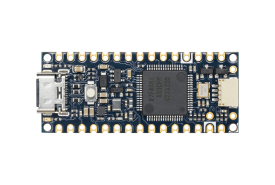
Top view of the Arduino Nano R4 development board
Arduino Launches the Nano R4 With UNO R4 Power in a Smaller Package
Arduino's Nano R4 brings the UNO R4's 32-bit Renesas processor, analog features, CAN support, and compact maker-friendly hardware to the Nano format today.
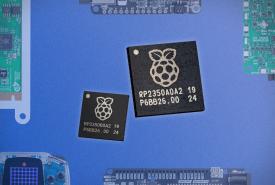
Raspberry Pi Makes the RP2350 Microcontroller Available to Everyone
Raspberry Pi's RP2350 moves beyond Pico 2 with broad chip availability, dual Cortex-M33 cores, programmable I/O, security features, and sub-$1 volume pricing.
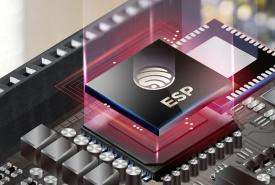
ESP32-C2 Gets More Memory, Storage, and Performance
Espressif's ESP32-C2 v2.0 upgrade adds up to 20KB of SRAM and about 100KB of flash, with a current ESP-IDF release required for reliable compatibility.
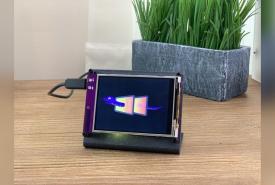
CircuitPython 8.0 Brings a More Mature Python Workflow to Connected Microcontrollers
CircuitPython 8.0 adds settings.toml, expanded ESP32 support, Wi-Fi improvements, and a more practical Python workflow for connected hardware projects.